Japanese Wedding Photography: A Planner-Led Visitor Guide
A senior planner's guide to booking a kimono pre-wedding shoot in Japan: shoot types, top cities, photographer selection, real costs, and shoot-day flow.

Illustrative image · Unsplash. Not a photo of the specific people, places or services discussed.
Check current prices, availability and venue rules with the relevant studio or venue before booking.
Of every cultural shoot booked in Japan by international couples last year, the kimono pre-wedding session is the one that fills 6–9 months out for cherry blossom and autumn slots. Most overseas couples reach us already knowing they want one; what they need help with is what to actually ask the studio before paying a deposit. This guide walks through the shoot types, the cities, the six-dimension photographer filter we use ourselves, package economics, and what shoot day looks like in practice.
What is Japanese wedding photography?
The term japanese wedding photography is used loosely overseas to mean almost any kimono-clad couples shoot in Japan, but inside the industry there are clear sub-categories. The dominant one, and the one most international visitors actually want, is the kimono pre-wedding photoshoot — known domestically as wasou maeposatsuei (和装前撮影). This is a styled session, usually 2 to 6 hours, where the couple wears traditional Japanese wedding attire (shiromuku, iro-uchikake, or montsuki-hakama) and is photographed at a shrine, garden, studio, or street location.
The shoot is not the legal wedding — it is a commemorative session built around traditional attire, with the photographer functioning more like a creative director than a documentary observer. Hair, makeup, kimono dressing (kitsuke), and location coordination are typically bundled.
The distinction matters because Japanese studios price and staff their teams accordingly. A pre-wedding kimono session in Kyoto is closer to a fashion editorial than to a Western "engagement shoot," and the deliverables — retouched stills, occasionally an album, sometimes a short film — reflect that. If you are reading our traditional Japanese wedding dress guide alongside this article, you will already have a sense of how attire choice drives the rest of the production.
Types of shoot: pre-wedding, engagement, commemorative, ceremony-day
Most international couples conflate four genres that Japanese studios price and staff very differently. Getting the right vocabulary into your inquiry email saves time on both sides.
Shoot type | Japanese term | Typical duration | What it documents |
|---|---|---|---|
Kimono pre-wedding | 和装前撮 / wasou maedori | 3–6 hours | Styled couple portraits in traditional attire, before or after the legal marriage |
Engagement / proposal | プロポーズ撮影 | 1–2 hours | Candid couple session, often in casual clothes or yukata |
Commemorative anniversary | 記念撮影 | 2–4 hours | Family or couple portraits marking an anniversary, often combined with kimono rental |
Ceremony-day documentary | 当日撮影 / tojitsu satsuei | 4–10 hours | Live coverage of a shrine ceremony and reception |
In our directory, the overwhelming majority of international bookings fall into the first category — the kimono pre-wedding shoot. It is the most flexible (no ceremony permit needed, no guest logistics), the most photogenic (full traditional attire, planned locations), and the easiest to book from abroad. We have a separate breakdown if you want to weigh it against a documentary shoot in pre-wedding vs ceremony, and a comparison with a casual Western outfit shoot in Western dress vs kimono.
Wedding planner's note: if you are doing a legal Shinto ceremony at a shrine that allows it, the photographer who shoots your ceremony day is rarely the same person who would do your styled portraits. Ceremony photographers are documentarians; pre-wedding photographers are stylists. Book them separately if your budget allows; do not expect one team to deliver both at the highest level.
Most photographed locations across Japan
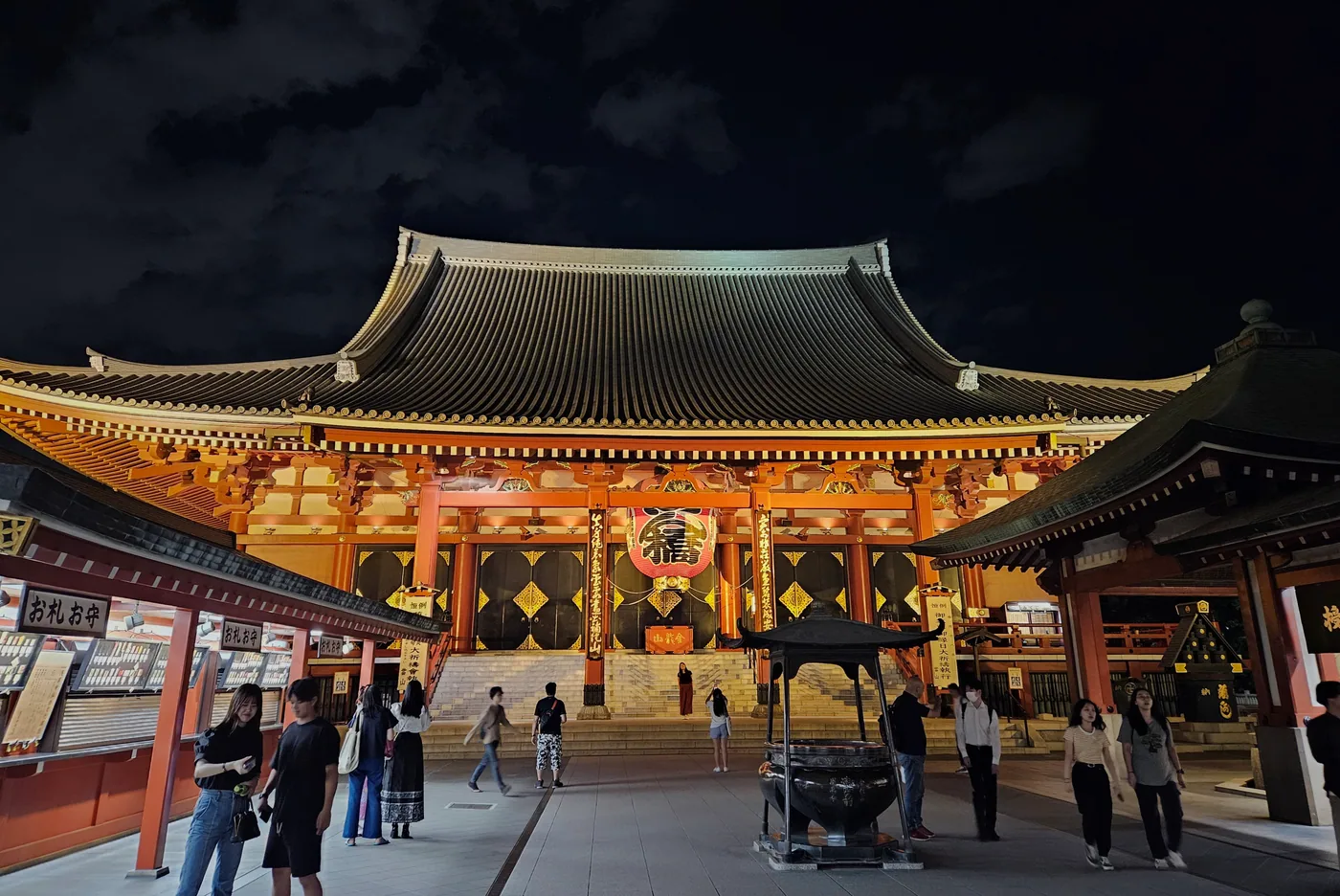

Japan's photogenic wedding locations cluster in roughly a dozen cities, and each has a distinct visual signature. Most couples we work with focus on one or two cities per trip because travel days eat into your kimono-ready time. Below is the planner-eye view; each linked article goes deeper on permits, seasonal windows, and recommended studios.
The Big Four: Kyoto, Tokyo, Kamakura, Kanazawa
Kyoto is the genre's spiritual capital — the largest concentration of kimono ateliers, the most permit-friendly gardens, and the city most overseas photographers cite as their primary base. Tokyo sits second, anchored by Asakusa and the Meiji Jingu permit process for couples who want a metropolitan + shrine combination. Kamakura offers samurai-era temples 50 minutes from Tokyo, well-suited to a single-day add-on. Kanazawa brings Kenrokuen — one of Japan's three great gardens — and the Higashi Chaya teahouse district, with notably less crowding than Kyoto.
The southern and northern alternatives: Okinawa, Hokkaido
Okinawa swaps the Honshu shrine palette for tropical beaches, Ryukyu castles, and the regional bingata ryusou textile — a genuinely different aesthetic, not just "kimono on a beach." Hokkaido is the winter shoot capital: snow shiromuku portraits, lavender fields in summer, and a national park system that is easier to permit than Kyoto's gardens.
The serious second tier: Hiroshima, Fukuoka, Kobe, Nagoya, Yokohama, Izumo
Hiroshima gives you Itsukushima's floating torii (with shoot restrictions — confirm with your photographer). Fukuoka anchors a Kyushu shoot circuit and pairs naturally with day trips to Dazaifu. Kobe and Yokohama lean into the port-city, gaslight-era aesthetic that contrasts well with kimono attire. Nagoya offers Atsuta Jingu and a less-touristed feel. Izumo Taisha — Japan's oldest shrine — is for couples who want a once-in-a-decade location that almost no overseas portfolio includes. Several of these appear in our top 10 shrines roundup and in our broader Japanese wedding complete guide.
Choosing a Japanese wedding photographer
Photographer selection is the single decision that determines whether your japanese wedding photos look like a generic tourist kimono rental or a planned editorial. Price is a poor primary filter. Use these six dimensions instead.
1. Language support
"Speaks English" covers a wide range, from "translates direction via a tablet" to "negotiates shrine permits, manages hair and makeup briefs, and handles your post-shoot album proofing in English." Our shortlist of English-speaking photographers filters for the second tier. For most international couples, fluent English on shoot day matters less than fluent English in the booking phase — that is when poses, locations, and timing get locked in.
2. Permit handling
Shrine and garden permits are the most common point where DIY bookings fall apart. A seasoned japanese wedding photographer will either hold standing arrangements with major locations or will tell you honestly which spots are not permittable for paid shoots. Ask explicitly: "Do you handle the permit, or do I?" If it's you, you almost certainly want a different photographer.
3. Kimono inclusions
Some packages bundle one full kimono outfit per partner with hair and makeup; others charge per outfit and per change. The shiromuku vs iro-uchikake decision is also a budget decision because two-outfit packages cost more. Confirm what's bundled, how many changes are included, and whether kanzashi hair ornaments are extra.
4. Package tiers
Most studios run a three-tier structure: a base styled shoot, a mid-tier with extra outfit and location, and a flagship package with album, video, and family attendance. Tier choice often comes down to whether you want an album object (Japanese studios still produce excellent printed albums) or pure digital delivery.
5. Sample books and unedited samples
Ask for a sample book — the curated portfolio. Then ask if you can see a full unedited gallery from one recent shoot. Studios that won't show unedited work are usually hiding the consistency gap between their hero shots and their average frame.
6. Hair, makeup, and groom styling
The makeup brief is what separates an editorial japanese wedding photographer from a tourist rental shop. Look at three or four bride portraits from their portfolio: does the makeup look modern and skin-flattering, or does it look like a generic "Japanese bride" template? Our shiromuku hair and makeup guide covers what to brief. For grooms, the men's kimono guide is a parallel checklist.
Booking process from abroad
The international booking flow has stabilized over the last few years and is, in practice, very manageable. The mechanics are covered in detail in how to book from abroad, but here is the planner-eye summary.
Step 1: lock your travel dates and target city before you reach out. Studios will not hold dates without a deposit, and the best photographers in Kyoto and Tokyo are booked 4–9 months out for cherry blossom and autumn foliage seasons. Step 2: send inquiries to three to five photographers with your dates, locations, attire preference, and approximate budget. In our experience, the studios worth booking reply within 2 business days in English. Step 3: once you have a quote you like, request a short video call. Step 4: pay the deposit (typically 20–30 percent) by international card or wire. Step 5: confirm hair and makeup, kimono selection, and shoot itinerary 4–6 weeks before travel.
Wedding planner's note: the video call is not a courtesy — it is your last filter before the deposit goes out. We have seen couples lose four-figure sums to studios that quoted fluent English by email and then put a junior on shoot day with limited direction vocabulary. Twenty minutes on video tells you whether the person typing the quotes is also the person who will be on location. If a studio refuses video on principle, treat that as a no.
If you are coordinating around peak seasons, read cherry blossom shoots and autumn foliage shoots alongside our best season overview — these windows are the ones that book first.
Costs and what they include
Pricing varies more by package inclusions than by city, but Kyoto and Tokyo are 10–20 percent more expensive on average than Kanazawa or Fukuoka. The full breakdown lives in our 2026 cost guide, and the headline ranges are: entry-level styled pre-wedding shoots from about JPY 150,000–250,000; mid-tier packages with two outfits and album from JPY 300,000–500,000; flagship multi-location or two-day productions from JPY 600,000 upward.
What is almost always included: kimono rental for both partners, professional kitsuke (dressing), bridal hair and makeup, location permit fees, photographer time, and retouched digital files. What is usually extra: additional outfit changes, secondary photographer or videographer, printed album, family member kimono, transportation between locations, and same-day rush delivery.
Currency moves matter for international couples paying in USD, EUR, AUD, or SGD. If you are budgeting, build in a 5–8 percent FX buffer between deposit and final payment, especially if you book 6+ months out.
Wedding planner's note: the deposit trap we see most often is a "non-refundable" clause that quietly covers the entire fee once you are inside 60 days of the shoot. Read the cancellation grid line by line before you wire — ask in writing what percentage is recoverable at 90, 60, 30, and 14 days out. A studio that cannot answer that crisply has not thought about your downside, which means it has not thought about its own operations either.
What to expect on shoot day
A standard 4-hour kimono pre-wedding shoot in Kyoto runs roughly like this. The day starts at 7:30 or 8:00 a.m. at the studio for hair and makeup. Bridal hair and makeup take 60–90 minutes; the groom is faster, typically 20–30 minutes. Kitsuke (dressing) follows: the bride's shiromuku or iro-uchikake takes 30–45 minutes with two assistants; the groom's montsuki-hakama takes 15–20 minutes.
You leave the studio dressed, usually around 10:00–10:30 a.m., and travel by hired car or rickshaw to the first location. Shoot one runs 60–90 minutes — a shrine approach, garden, or street depending on the city. If your package includes an outfit change, you return to a designated location for kitsuke round two. Shoot two follows. By 2:00–3:00 p.m. you are back at the studio, undressed, and free for the rest of the day. Delivery of edited stills usually arrives in 4–8 weeks, depending on the studio. Our shoot duration article goes deeper on how to choose between half-day and full-day formats.
Wedding planner's note: eat a real breakfast before kitsuke — not coffee and a pastry, an actual meal. Once the bride is in shiromuku or iro-uchikake, the obi compresses everything below the ribs and you can take roughly two small sips of water and one rice ball over the next four hours without ruining the silhouette. The single most common shoot-day complaint we hear is light-headedness around the second location, and it is always traceable to an empty stomach at 8 a.m. The groom should also eat — montsuki-hakama is forgiving, but four hours of standing and posing is not.
Your packing needs to include items the studio does not provide: comfortable indoor sandals for the studio interior, lip balm, and ideally your own foundation shade if you have a hard-to-match skin tone. If you are bringing parents or extended family, read bringing parents first — most studios accommodate family attendance but need notice. And if your shrine visit is part of the day, the shrine etiquette primer is essential reading.
Planning the rest of the trip
Most international couples build a 7–10 day Japan trip around one kimono shoot day. Our 7-day itinerary shows how to slot the shoot day cleanly without burning out before it. For couples weighing where to base, the Tokyo vs Kyoto piece settles the most common debate. And if you are still confirming your visa situation, the visa requirements article covers it. For an alternative aesthetic question — whether to do a studio or outdoor shoot — see studio vs outdoor.
Frequently Asked Questions
What happens if it rains on shoot day?
Most established studios run a rain plan that swaps outdoor locations for a covered shrine hall, a teahouse interior, or a studio set without changing the headline price. A formal rescheduling clause typically kicks in only for typhoons or shrine closures — light rain is shot through. Confirm in writing during booking which scenarios are "shoot anyway," which are "reschedule," and who eats the kimono-rental day rate if you postpone.
Can we do our own hair and makeup to save money?
Technically yes, but the savings are smaller than couples expect (typically JPY 30,000–60,000) and the consistency cost is real — Western styling kits rarely include the long-wear products and the bridal hairpiece techniques that hold up under kimono weight for four hours. Most studios will not deduct the full hair-and-makeup line item from a package even if you decline it. If budget is the driver, drop an outfit change instead.
How do photographers accept payment from overseas couples?
Most accept international Visa or Mastercard via Stripe or Square, and many accept SWIFT wire. PayPal is less common and Apple Pay / Google Pay almost never for the deposit (occasionally for in-person add-ons on shoot day). If you need a card that earns travel points, ask before signing — some studios pass card fees through at 3–4 percent on Amex specifically.
Can we bring our own kimono or wedding dress instead of renting?
Yes for personal kimono — many studios will dress an heirloom piece for a reduced kitsuke fee, and the emotional weight on camera is usually worth it. For non-Japanese wedding dresses, studios that offer Western-attire shoots will accept your own gown, but check whether their kitsuke staff also doubles as a dress steamer and bustler. If not, factor in an outside stylist.
Do we tip the photographer, kitsuke staff, or hair and makeup team?
No. Tipping is not part of the cultural script in Japan and is often quietly refused. A thank-you note in English, a small gift from your home country handed to the studio at wrap, or a public review after delivery all land better than cash. If you want to express genuine appreciation, the highest-value move is to send the studio one printed image with permission to use it in their portfolio.
Can a same-sex couple book a kimono pre-wedding shoot?
Yes, and a growing share of our directory actively welcomes it. The practical question is attire — most studios will style two shiromuku, two montsuki-hakama, or one of each on request, but inventory varies. Mention it in your first inquiry email so the studio can confirm sizing and outfit availability before quoting.
Can we shoot at a real shrine?
At many, but not all. Some major shrines have a formal paid permit process; others restrict paid shoots entirely. A reputable japanese wedding photographer will tell you upfront which of your dream locations are bookable. Start with our top 10 shrines overview.
Find your photographer
The fastest path from research to a real shortlist is the curated directory — filtered by city, attire style, and language support, with every studio vetted for booking responsiveness, permit handling, and the consistency gap noted above. Start at the Wasou Wedding Japan photographer directory, and if you want broader context first, read the Japanese wedding complete guide or the traditional Japanese wedding dress guide. Once you have three to five photographers shortlisted, send the same brief to all of them. Watch one specific signal in the replies: whether the studio asks about your shrine preference, attire choice, and travel dates before quoting a price — or whether the quote comes back first. The first behaviour is a planner; the second is a price-taker, and the difference will show up on shoot day.
Related guides
 General guide
What to Pack for a Japan Kimono Photoshoot Trip: Complete List
Illustrative image · Unsplash. Not a photo of the specific people, places or services discussed.
A complete packing list for foreign couples flying to Japan for a kimono pre-wedding shoot — what to bring, what NOT to bring, and what the studio provides.
Read the guide General guide
Kimono Photoshoot Day Timeline in Japan: Hour-by-Hour Plan
Illustrative image · Unsplash. Not a photo of the specific people, places or services discussed.
A realistic hour-by-hour timeline for a full-day kimono photoshoot in Japan — from the night-before hair prep to the 6pm wrap, with planner notes on meals, bathroom logistics, and the timing mistakes couples make.
Read the guide General guide
How Long Does a Kimono Photoshoot Take in Japan: Full Day Timeline
Illustrative image · Unsplash. Not a photo of the specific people, places or services discussed.
How long a kimono shoot in Japan really takes: full timeline by format, dressing duration, breakfast planning, and energy management tips.
Read the guide