Tokyo vs Kyoto for a Kimono Wedding: Which to Choose
Tokyo or Kyoto for your kimono pre-wedding photoshoot? A side-by-side comparison of visual mood, pricing, photographer access, and logistics.

Illustrative image · Unsplash. Not a photo of the specific people, places or services discussed.
Check current prices, availability and venue rules with the relevant studio or venue before booking.
Tokyo or Kyoto? For foreign couples planning a kimono pre-wedding photoshoot in Japan, this is often the very first decision — and the one that shapes every choice that follows. The truth is that the two cities offer genuinely different experiences, not just different addresses. This guide compares Tokyo and Kyoto across six dimensions that matter to your final photos, your budget, and your trip logistics, so you can make the choice that fits your couple's story.
Visual Mood: Traditional vs Contrast
Kyoto is the spiritual home of kimono photography. Its visual identity is unbroken: vermilion shrine architecture, moss-covered gardens, narrow stone-paved streets, weeping cherries, autumn maples. Every photographic backdrop in Kyoto reinforces the same message — timeless tradition.
Tokyo offers contrast. The same kimono can be photographed at Meiji Jingu's forested shrine in the morning and against the neon glow of Shibuya in the evening. Tokyo's identity is the collision of old and new, and photos from a Tokyo shoot often tell a more layered story.
Couples who want pure traditional imagery should choose Kyoto. Couples who want their photos to feel emotionally complex and contemporary should choose Tokyo.
Price: Kyoto is Surprisingly Cheaper

Package Tier | Kyoto Average | Tokyo Average | Difference |
|---|---|---|---|
Entry (studio only) | ¥90,000 | ¥110,000 | Tokyo +22% |
Mid-tier (studio + 1 outdoor) | ¥170,000 | ¥210,000 | Tokyo +24% |
Premium (full day) | ¥280,000 | ¥350,000 | Tokyo +25% |
Despite its reputation as the more "luxurious" destination, Kyoto is roughly 20-25% cheaper than Tokyo for equivalent service. Tokyo's higher prices reflect more expensive studio rent, more restrictive outdoor permits, and a higher proportion of couples willing to pay premium rates.
Logistics: Tokyo Wins on Access
Tokyo has two international airports (Haneda and Narita) with direct flights from nearly every major Western and Asian capital. Hotel selection is unmatched, English service is widespread in restaurants and transportation, and you can be at your shoot location 90 minutes after baggage claim.
Kyoto requires a transfer: most international flights land in Tokyo or Osaka, then 2.5 hours of Shinkansen. Kyoto hotels in the popular Gion and Higashiyama districts book out far in advance during sakura and koyo seasons.
For a 4-day trip combining Tokyo arrival, day-trip-style shoot, and departure — Tokyo wins on simplicity. For a 7-day trip combining cultural sightseeing and shoot — Kyoto's depth justifies the extra travel.
Iconic Locations Compared
Kyoto Headliners
Fushimi Inari's vermilion torii corridor, Arashiyama Bamboo Grove, Kiyomizu-dera, Kinkaku-ji, Heian Shrine, Yasaka Shrine, the Philosopher's Path, and Maruyama Park's weeping cherry. Each is within 30 minutes of central Kyoto, and most are walkable from each other in pairs.
Tokyo Headliners
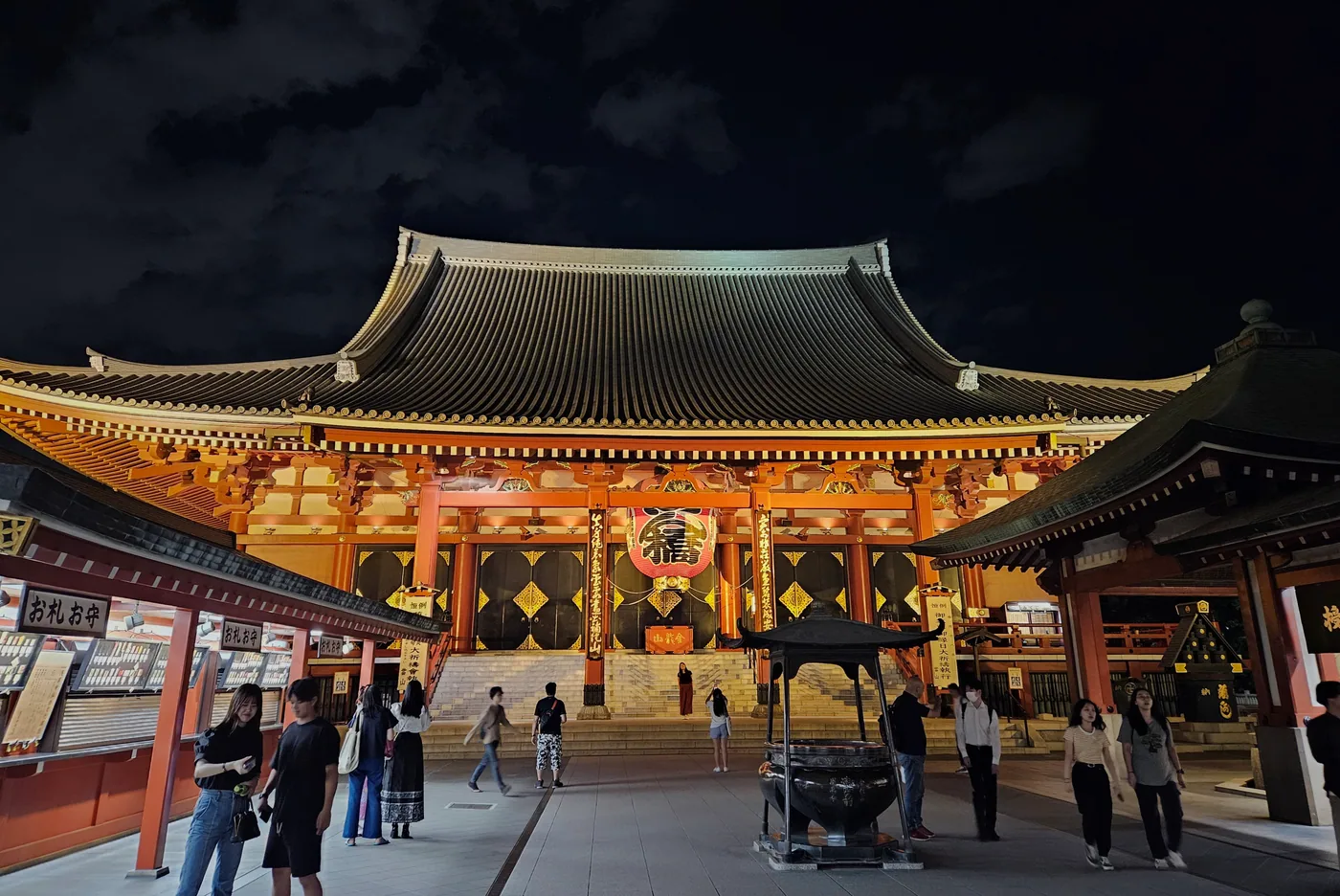
Meiji Jingu's forested torii, Asakusa Senso-ji and Sumida River sakura corridor, Hama Rikyu Garden, Rikugien Garden, and modern backdrops like Tokyo Station and the Imperial Palace gardens. Locations are more spread out, requiring 20-40 minute transfers between sites.
English Support: Tokyo Has More Density
Tokyo has the higher concentration of English-fluent studios overall, with major brands like Decollte Photography, Watabe Wedding, and Studio Aqua all running dedicated English coordination teams. Asakusa has emerged as Tokyo's English-specialist district for kimono.
Kyoto's English-friendly studios are fewer but extremely deep — places like Yumeyakata and TAKAMI BRIDAL have served foreign couples for decades and have refined the experience.
Should You Combine Both Cities?
If your trip is at least 7 days, combining Tokyo and Kyoto is a popular choice. Some couples shoot in one city and use the other as cultural sightseeing. Others split the shoot itself across both cities (e.g., shiromuku at Meiji Jingu in Tokyo, then iro-uchikake in Kyoto's Gion two days later). This delivers the broadest portfolio but adds logistical complexity — budget at least one full transit day between cities.
Our Recommendation by Couple Type
First-time Japan visitors with limited time: Tokyo. The arrival simplicity and density of options outweigh Kyoto's deeper tradition.
Couples prioritizing tradition and aesthetic depth: Kyoto. The visual identity is more consistently distinctive.
Couples who have been to Japan before: Kyoto, or a Tokyo-plus-Kyoto split. You've already seen Tokyo's modernity.
Budget-conscious couples: Kyoto. The 20-25% price advantage is meaningful.
Couples wanting a single, polished one-day shoot: either works equally well at the mid-tier price point.
Frequently Asked Questions
Can I see both cities in 5 days?
Yes, but tight. A realistic 5-day plan: 2 days Tokyo (1 sightseeing, 1 shoot), 2 days Kyoto (1 sightseeing, 1 shoot), 1 day transit and buffer.
Is the Shinkansen between Tokyo and Kyoto easy with kimono?
You travel in regular clothes between cities; the kimono is provided by whichever studio you book at each destination. Most couples ship suitcases ahead via Yamato Transport so they travel lightly on the Shinkansen.
Which city has better cherry blossoms?
Both bloom in roughly the same window (late March-early April). Kyoto offers more concentrated sakura backdrops (Philosopher's Path, Maruyama Park). Tokyo offers more sakura in dramatic locations (Meiji Jingu, Chidorigafuchi moat).
Where do most foreign couples actually shoot?
Roughly 60% choose Kyoto for the kimono shoot specifically, even when they fly into Tokyo. The visual identity advantage is the deciding factor for most couples.
Make Your Choice and Find a Photographer
Whatever you decide, your next step is choosing a photographer who fits your vision in your chosen city. Browse our Kyoto photographers or Tokyo photographers filtered by language support and aesthetic.
Photographers in this guide

Illustrative image · Unsplash. Not a photo of this studio or its work.
TAKAMI BRIDAL
EN/JP toggleable site. Founded 1923, with 30+ shrine and temple locations including World Heritage sites.
From —
Free to enquire
Illustrative image · Unsplash. Not a photo of this studio or its work.
Yumeyakata
Run by a 160+ year-old kimono shop. English staff on-site, dedicated English site, 200 photos delivered.
From $979
Free to enquireLocations in this guide


Related guides
 Location deep dive
Top 7 Kimono Photoshoot Studios in Kyoto: 2026 Prices
Illustrative image · Unsplash. Not a photo of the specific people, places or services discussed.
A side-by-side comparison of seven top kimono pre-wedding studios in Kyoto — 2026 prices, language support, kimono selection, and which fits your vision.
Read the guide Location deep dive
The Complete Guide to Kimono Wedding Photography in Kyoto
Illustrative image · Unsplash. Not a photo of the specific people, places or services discussed.
Everything international couples need to plan a kimono pre-wedding or post-wedding photoshoot in Kyoto — locations, seasons, permits, and budget.
Read the guideLocation deep diveKyoto vs Kanazawa Kimono Photoshoot: Which to Choose
Illustrative image · Unsplash. Not a photo of the specific people, places or services discussed.
Kyoto vs Kanazawa for a kimono prewedding shoot: a planner-led comparison of crowds, costs, visual register, and shrine cooperation — plus when to do both.
Read the guide