Kamakura Kimono Photoshoot: Tsurugaoka, Hokokuji & The Great Buddha
Plan a Kamakura kimono shoot from Tokyo: Tsurugaoka Hachimangu, Hokokuji bamboo grove, the Great Buddha, and English-speaking photographers.

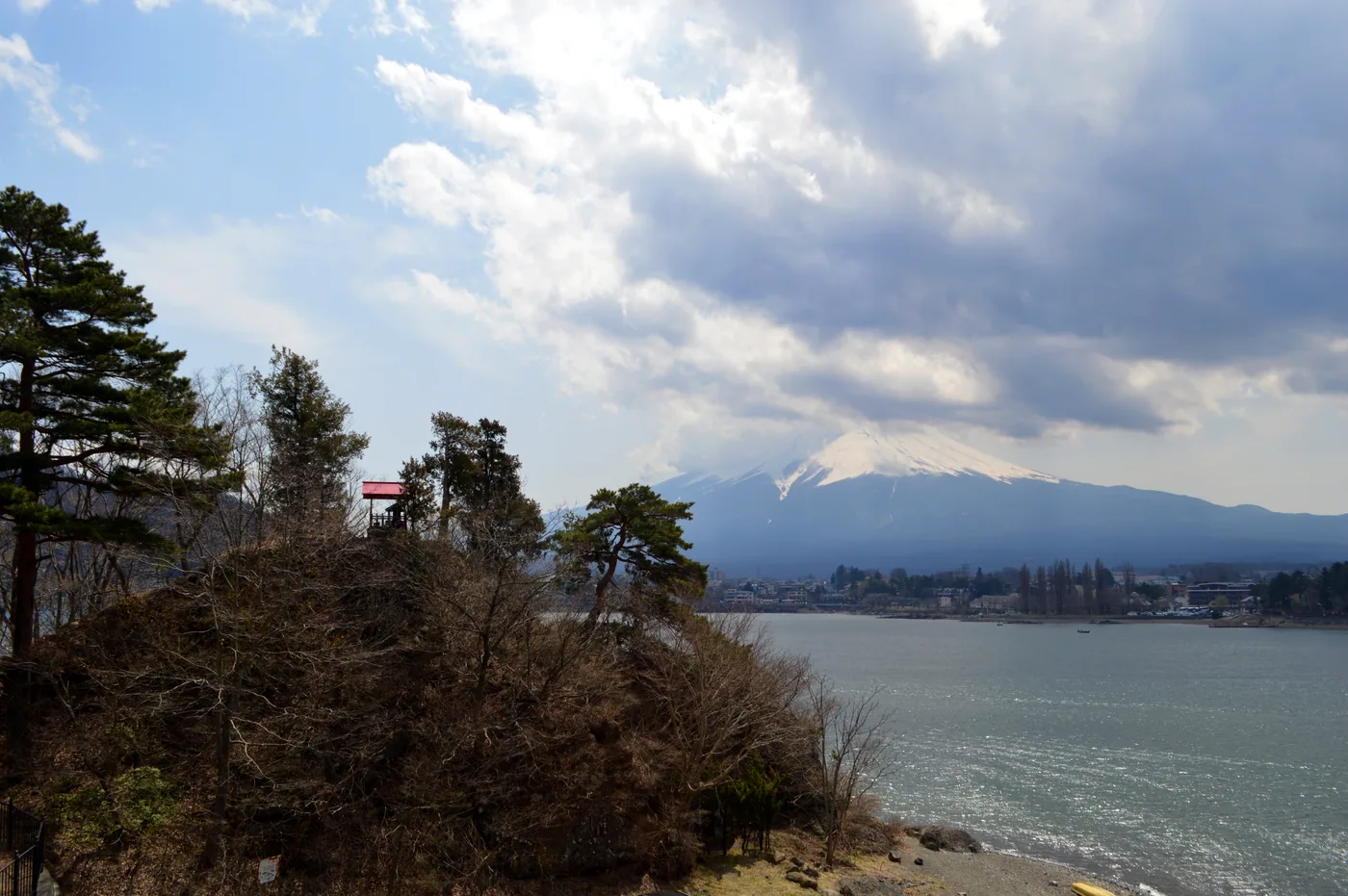
Illustrative image · Unsplash. Not a photo of the specific people, places or services discussed.
Check current prices, availability and venue rules with the relevant studio or venue before booking.
Kamakura is the closest "old Japan" experience to central Tokyo and one of the most rewarding cities in the country for a kimono pre-wedding photoshoot. The former samurai capital — Japan's seat of government from 1185 to 1333 — concentrates UNESCO-shortlisted Zen temples, a thirteen-metre bronze Great Buddha, a vermilion shrine that hosts samurai-era horseback archery, and one of the country's most photographed bamboo groves, all within a thirty-minute taxi ride of each other. For foreign couples basing themselves in Tokyo, Kamakura is the natural one-day excursion that delivers temple architecture, Zen austerity, beach proximity, and English-friendly studios in a single trip. This guide covers every major location, permit consideration, photographer style, and add-on that defines a great Kamakura kimono shoot in 2026.
Why Kamakura for Your Kimono Shoot
Three reasons Kamakura stands out for foreign couples. First, visual density: five iconic temple and shrine backdrops within a thirty-minute radius, each photographically distinct from the others. Second, accessibility: one hour by JR Yokosuka Line from Tokyo Station, no overnight required for a half-day shoot. Third, microclimate: the surrounding mountains and ocean keep Kamakura two to four degrees cooler than central Tokyo in summer and frost-free in winter, which extends the comfortable shoot window across more of the year than Tokyo itself.
Foreign couples consistently report that Kamakura "feels like ancient Japan" in a way that the major Tokyo and Kyoto neighbourhoods cannot replicate — fewer tour buses, narrower lanes, slower pace, and a real sense of the samurai-era history rather than a curated tourist version of it.
The Key Kamakura Locations
Tsurugaoka Hachimangu Shrine
Tsurugaoka Hachimangu is Kamakura's most important shrine and the visual anchor of any city shoot. The wide stone approach from the Wakamiya-oji avenue, the vermilion arched bridges over the koi-stocked Heike Pond, and the upper shrine on the hill produce three distinct portrait compositions within the same complex. The shrine permits couple shoots with small crews for a modest coordination fee on non-festival mornings. Avoid Reitaisai (September 14–16) entirely, when the grounds host annual Yabusame horseback archery and crowd-control restrictions are at year-peak. Browse our Tsurugaoka location guide for full context.
Hokokuji Bamboo Temple
Hokokuji's bamboo grove of approximately two thousand moso bamboo culms produces what many foreign couples describe as the most distinctive single image of their Japan trip. The grove is small and intimate compared with Arashiyama, with significantly fewer visitors, and pairs naturally with a quiet matcha service that the temple offers in its tea pavilion overlooking the bamboo. The temple permits couple kimono shoots with a small coordination fee and short time-slot. Mid-morning to early afternoon light filters through the canopy in green and gold beams that are virtually impossible to replicate anywhere else. See our Hokokuji location guide for booking details.
The Great Buddha at Kotokuin
The Great Buddha (Daibutsu) at Kotokuin Temple is the most internationally recognisable image in Kamakura — a thirteen-metre bronze figure cast in 1252 and seated outdoors since a 1498 tsunami swept away the original hall. The temple permits kimono couple shoots in the surrounding courtyard before opening hours by special arrangement, producing the rare composition of a small couple in formal silk against the massive serene face. Direct shoots in front of the Daibutsu during regular hours are constrained by visitor traffic; the surrounding garden and the cherry trees behind the statue are unrestricted.
Engaku-ji and Meigetsu-in Zen Temples
Engaku-ji and Meigetsu-in (the "Ajisai temple") sit at the north end of Kamakura near Kita-Kamakura Station and offer the Zen aesthetic — moss courtyards, weathered wooden halls, stone gardens — that Western couples often associate with Japanese spirituality. Engaku-ji's San-mon gate is a Important Cultural Property dating from 1783. Meigetsu-in's circular "window of enlightenment" frames its inner garden in a composition that has become a signature Kamakura image. Both temples permit couple shoots with a small coordination fee outside the June hydrangea peak when crowds make access difficult.
Yuigahama Beach and Inamuragasaki
For couples who want ocean rather than temple as the backdrop, Yuigahama Beach and the western cape at Inamuragasaki produce striking wide-format images. The beach is public and requires no permit. Inamuragasaki at sunset on a clear day produces Mt. Fuji silhouettes across the bay that are among the most photogenic ocean-Fuji compositions in the Kanto region.
Permit Rules
Tsurugaoka Hachimangu charges approximately ¥20,000 for non-festival commercial couple shoots on weekday mornings. Hokokuji permits couple shoots in the bamboo grove for a modest coordination fee with a fixed time-slot. Kotokuin (Great Buddha) requires special advance arrangement for any commercial kimono shoot in the inner courtyard. Engaku-ji and Meigetsu-in charge approximately ¥10,000 to ¥15,000 for couple shoots outside peak hydrangea or autumn-foliage weeks. The beaches and public approach roads require no permits. Your photographer handles all coordination silently. For broader context on shrine etiquette during the shoot itself, see our shrine manners guide.
Best Times of Day and Year
5:30 to 8:00 AM: Empty temples, eastern light hitting Tsurugaoka's main approach. This is the ideal window for any couple who can manage the early call. Premium photographers structure their day around this. 8:00 to 11:00 AM: Crowds begin to build at the major temples but light remains soft. Good for couples who cannot manage sunrise. 3:30 to 5:30 PM: Late afternoon warmth and the start of golden hour at Yuigahama Beach. After 5:30 PM: Sunset over the bay from Inamuragasaki, dramatic mood. Most temples close by 5:00 PM but the beaches remain accessible.
Year-round considerations: November to early December offers Kamakura's autumn foliage peak (one to two weeks after Kyoto), making it the natural Plan B for couples who arrive after the Kyoto koyo finishes. June brings hydrangea peak at Meigetsu-in but with serious crowds. February to early March offers plum blossoms at Tsurugaoka without sakura-week crowds. For broader seasonal planning, see our autumn foliage and cherry blossom guides.
Rickshaw, Tea Ceremony and Beach Add-Ons
Kamakura supports a small but well-established rickshaw tradition. A 30 to 60 minute rickshaw add-on (¥12,000 to ¥25,000) tours the backstreets between Tsurugaoka and Komachi-dori in formal kimono with a uniformed driver. Hokokuji's matcha service in the bamboo-overlooking tea pavilion (¥600 per person) makes a natural mid-shoot break that often becomes one of the photographer's strongest sets. A pre-sunset beach session at Yuigahama or Inamuragasaki extends a half-day temple shoot into a full day with a complete tonal shift from stone-and-bronze to sand-and-sky.
Best Photographers for Kamakura
Kamakura's photographer ecosystem is smaller than Tokyo's but several studios specialise specifically in the city and its temples. The strongest portfolios combine deep familiarity with each temple's schedule and permit nuances, English-language coordination, and the ability to move efficiently between three to four locations in a half-day. Browse all Kamakura kimono photographers filtered by style and budget. For couples basing in Tokyo, several Tokyo-based studios also offer Kamakura day-trip packages with the same English-speaking photographer; ask whether the studio has done at least twenty shoots at the specific Kamakura locations you want to visit.
Practical Logistics
Getting There
Kamakura Station is one hour by JR Yokosuka Line from Tokyo Station, fifty minutes from Shinagawa, and forty-five minutes from Yokohama. Kita-Kamakura Station (for Engaku-ji and Meigetsu-in) is one stop earlier. The Enoden tram line connects Kamakura Station to the western coast and Inamuragasaki.
Hotels
Staying in Kamakura overnight maximises pre-sunrise shoot access. Kamakura Prince Hotel (oceanfront), Kamejikan (traditional ryokan near Tsurugaoka), and Hotel Metropolitan Kamakura (modern, near the station) all sit within fifteen minutes of the major temples. Book three to six months ahead for autumn foliage and hydrangea weeks.
Combining with Other Locations
Many photographers offer Kamakura plus Tokyo day plans, with the morning at Kamakura's temples and the late afternoon at Asakusa or Meiji Jingu. The JR Yokosuka Line connection makes a full-day double-shoot feasible if you accept a tight schedule. For Asakusa-specific planning, see our Asakusa kimono photoshoot guide.
Frequently Asked Questions
Is Kamakura cheaper than Kyoto for kimono shoots?
Yes, modestly. Mid-tier Kamakura shoots run ¥150,000 to ¥200,000 versus Kyoto's ¥180,000 to ¥260,000. The savings come from lower permit fees at most temples and the ability to use Tokyo-based studios on day-trip pricing.
Will tourists ruin our photos at Tsurugaoka or the Great Buddha?
Only if you shoot after 8 AM. The 5:30 to 7:30 window at Tsurugaoka has near-zero foot traffic. Premium photographers start the day this early. The Great Buddha's surrounding courtyard becomes crowded by 9 AM and the most reputable shoots happen before opening hours by special arrangement.
Can we visit Kamakura in one day from Tokyo?
Yes. The standard Kamakura day shoot starts with a 5 AM call at Tsurugaoka, moves to Hokokuji bamboo grove mid-morning, breaks for lunch in Komachi-dori, and finishes at Yuigahama Beach in the late afternoon. Total round trip from central Tokyo is approximately twelve to fourteen hours.
What about the hydrangea season in June?
Meigetsu-in's hydrangea peak in mid-June produces extraordinary images but with serious crowds. The temple implements crowd-control restrictions during peak hydrangea weeks that limit commercial photography. Book ten months in advance or shoot at Meigetsu-in's sister temple Hase-dera, which is less famous for hydrangeas but offers similar bloom with easier access.
Is the Great Buddha actually photogenic for kimono shoots?
Yes, but the composition is unusual: the figure dominates the frame and demands a wide angle, so the kimono couple becomes one element in a larger scene rather than the focal point. Photographers experienced at Kotokuin position the couple at specific points where the framing balances. The pre-opening special arrangement is what makes the location work — daytime shoots compete with constant visitor traffic.
Should I combine Kamakura with the cherry blossom season?
Kamakura's sakura peaks in late March to early April, the same week as central Tokyo. Tsurugaoka's wide approach lined with cherry trees produces excellent compositions but the city becomes crowded with hanami visitors. For sakura shoots, see our cherry blossom booking guide.
Other Destinations to Consider
Book Your Kamakura Shoot
Kamakura offers Tokyo's most accessible "old Japan" backdrop, distinctive temple compositions impossible elsewhere, and the cooling proximity of the ocean. Lock in your photographer six to ten months ahead, choose your locations based on the season's strengths, and let the photographer handle the permits and the choreography. Browse English-speaking Kamakura photographers filtered by style and budget. For the broader booking framework that applies across every season, see our ultimate guide to Japan pre-wedding photoshoots.
Locations in this guide


Related guides
 Location deep dive
The 15 Best Kimono Wedding Photo Locations in Japan, Ranked (2026)
Illustrative image · Unsplash. Not a photo of the specific people, places or services discussed.
A ranked guide to the 15 best shrines, temples and gardens for a kimono pre-wedding photoshoot in Japan — from Fushimi Inari's torii tunnels to Miyajima's floating gate, with honest notes on where shoots are permitted.
Read the guideGeneral guideKorean Couple Kimono Photoshoot Japan: Cultural Guide
Illustrative image · Unsplash. Not a photo of the specific people, places or services discussed.
A planner's guide to korean couple kimono photoshoot japan trips: hanbok-kimono comparison, Korean-speaking studios, family logistics, costs vs Seoul.
Read the guide Location deep dive
Tokyo vs Kamakura Kimono Photoshoot: How to Choose
Illustrative image · Unsplash. Not a photo of the specific people, places or services discussed.
Tokyo vs Kamakura for your kimono wedding photoshoot — comparison of aesthetics, costs (JPY 80,000-290,000), travel logistics, crowding by season, and when to combine both cities in a single Japan trip.
Read the guide