Singapore Couple Kimono Photoshoot Japan: Multicultural Styling
Singapore couple kimono photoshoot in Japan: English-default booking, multicultural styling for Chinese/Malay/Indian heritage, halal needs, 7hr SIN-TYO logistics.

Illustrative image · Unsplash. Not a photo of the specific people, places or services discussed.
Check current prices, availability and venue rules with the relevant studio or venue before booking.
Singaporean couples are a smaller volume but distinctly premium segment in our books — roughly 500 to 1,000 bookings a year, with English as the default working language and family backgrounds that span Chinese, Malay, Indian, and Eurasian heritage. Most pair the Japan kimono shoot with a Western ceremony at home or a destination venue elsewhere in Asia. This page covers what changes when we plan for a Singapore-based couple: language defaults, multicultural styling, halal needs at receptions, and the specific 7-hour direct-flight logistics from Changi to Haneda or Narita.
Why Singaporean Couples Choose Japan
Three patterns recur. First, the prewedding or anniversary photo industry in Singapore is mature, so couples already understand pre-shoot styling, posing, and album delivery — they arrive informed. Second, Japan is close (7 hours direct), visa-free for 90 days on a Singapore passport, and feels safe and well-organised, which matters for couples bringing parents or in-laws. Third, kimono offers a clearly Asian, clearly non-Singaporean cultural setting that contrasts with their Western ceremony plans, giving them a distinct visual chapter in their wedding portfolio.
We rarely hear "we couldn't decide between Japan and somewhere else." We more often hear "Japan is the photo trip; the ceremony happens at the Capella, the Fullerton, or in Bali." That framing — Japan as the dedicated photo destination, not the ceremony venue — shapes everything we recommend.
Travel Logistics (Singapore to Tokyo, 7 Hours Direct)
Changi to Tokyo runs as a 7-hour overnight or daytime hop on Singapore Airlines, ANA, JAL, and Scoot. Most couples take a red-eye landing Tokyo around 7am, which gives a half-day to settle into the hotel before a morning shoot the next day. Returning to Singapore is usually an evening departure, leaving the last full day for shopping or a quieter cultural outing.
Singapore passport holders enter Japan visa-free for up to 90 days, with no advance paperwork. Customs is straightforward; the only routine snag is bringing in food gifts — bak kwa and certain meat products are restricted, so we advise leaving those at home. Travel insurance is sensible but rarely needed in practice. For most Singapore couples, the trip looks like 5 to 7 nights: 1 or 2 in Tokyo for shooting, 2 to 3 in Kyoto, and a buffer day on each end.
Route | Time | Carriers | Typical timing |
|---|---|---|---|
SIN → HND (Haneda) | 7h | SQ, ANA, JAL | Late-night dep, early-morning arr |
SIN → NRT (Narita) | 7h | SQ, ANA, JAL, TR (Scoot) | Morning dep, evening arr |
SIN → KIX (Osaka) | 7h | SQ, Scoot | Direct option for Kyoto-first itineraries |
Wedding Planner's Notes: We generally route Singapore couples through Haneda over Narita when Tokyo is the first stop — the airport-to-central-Tokyo time difference is roughly 25 minutes by train versus 55 minutes from Narita. Across a 5-night trip with morning shoots, that hour saved on day one matters more than the marginal fare difference.
English-Default Communication — Where That Helps
Singapore is the only major Southeast Asian source market where English is the default working language for almost every couple we book. Bahasa, Mandarin, Tamil, and Malay come up at home and with extended family, but business communication, contracts, and shoot-day direction happen in English without translation friction. That gives Singapore couples a wider studio shortlist than Chinese or Korean clients would have — any of our English-fluent partners can serve them.
Where it matters most: during the hair and makeup trial, during pose direction, and when discussing kimono pattern choices. A studio that can articulate why a particular uchikake works for your skin tone or face shape, in English, saves a lot of mid-shoot adjustment time. For background on shortlisting, see our English-speaking kimono photographers page and the multilingual wedding photography overview.
One nuance: studios sometimes mistake fluent English for "this couple wants a Western shoot." Singapore couples are usually looking for an authentic Japanese aesthetic — they want the studio to be culturally specific, not to default to English-marketing visual styles. Flag this in your inquiry.
Multicultural Styling Considerations
This is the section that distinguishes Singapore from any other source market. Family heritage influences kimono colour and motif choices in ways that mainland Chinese or Korean couples rarely think about. We brief the studio on heritage before the trial so the rack curation reflects it.
Chinese-Singaporean Couples
Around 75% of Singapore couples we book come from Chinese family backgrounds — Hokkien, Teochew, Cantonese, Hakka, or Hainanese roots. Red and gold register strongly, both because they read as auspicious in Chinese tradition and because they overlap cleanly with classical iro-uchikake palettes. We often suggest a red uchikake with phoenix or crane motifs for the parents' generation viewing the photos. Younger couples sometimes prefer the modern muted palettes — see modern-colour bridal kimono — but check with the parents first if the photos are partly for them.
Tea ceremony elements at the shoot are popular when the bride's family practices a traditional Chinese tea-pouring ritual at home — it bridges the two cultures visually. Our tea ceremony wedding page covers what's possible.
Malay-Singaporean Couples
Malay-Singaporean couples are a smaller share (roughly 10%) but bring specific considerations. If the bride wears hijab in daily life, we discuss whether the kimono shoot is private (no hijab needed) or whether she prefers hair coverage adapted to kimono styling — some studios can wrap traditional Japanese hair ornaments around a coverage layer, though the look is more contemporary than classical.
Halal food at the reception or thank-you dinner becomes important — covered in a section below. Some couples skip the gold-leaf and animal-motif (peacock, dragon) kimono pieces for personal reasons; we ask in advance and curate the rack accordingly without commentary.
Indian-Singaporean Couples
Indian-Singaporean couples (around 8% of our Singapore bookings) often pair the Japan kimono shoot with a separate sari or lehenga shoot at home. The visual goal is contrast — a couple's wedding album that crosses three or four cultural styles. We recommend richer colours (deep red, burgundy, dark gold) that hold up next to the saturation of Indian wedding palettes. For brides accustomed to heavy bridal jewellery, kimono kanzashi hair ornaments will feel lighter — see kanzashi guide.
Vegetarian needs for any food-related shoot element (tea sweets, on-set catering) are easy to accommodate — flag them in the brief.
Pairing Japan Shoot with Western Ceremony Elsewhere
Most Singapore couples we work with have a Western-style ceremony booked for Singapore (Capella Sentosa, the Fullerton Bay Hotel, Raffles, Shangri-La), Bali (Alila Uluwatu, the Mulia), Phuket, or occasionally Italy or France. Japan is the prewedding chapter or the post-ceremony anniversary shoot.
Three practical implications. First, the Japan album becomes a standalone "cultural chapter" in the wedding portfolio, not the main day-of coverage — this affects how the photographer paces the shoot (more single portraits, more couple-only frames, fewer family group shots). Second, the kimono budget is often more generous because it's not competing with ceremony venue costs. Third, the timeline can be flexible — many couples shoot 4 to 8 months before the Western ceremony, occasionally 12 months as a longer engagement project.
For couples planning this two-event structure, our prewedding versus ceremony kimono piece and the Japanese-themed wedding abroad guide are the right starting points.
Top Locations Among Singapore Couples
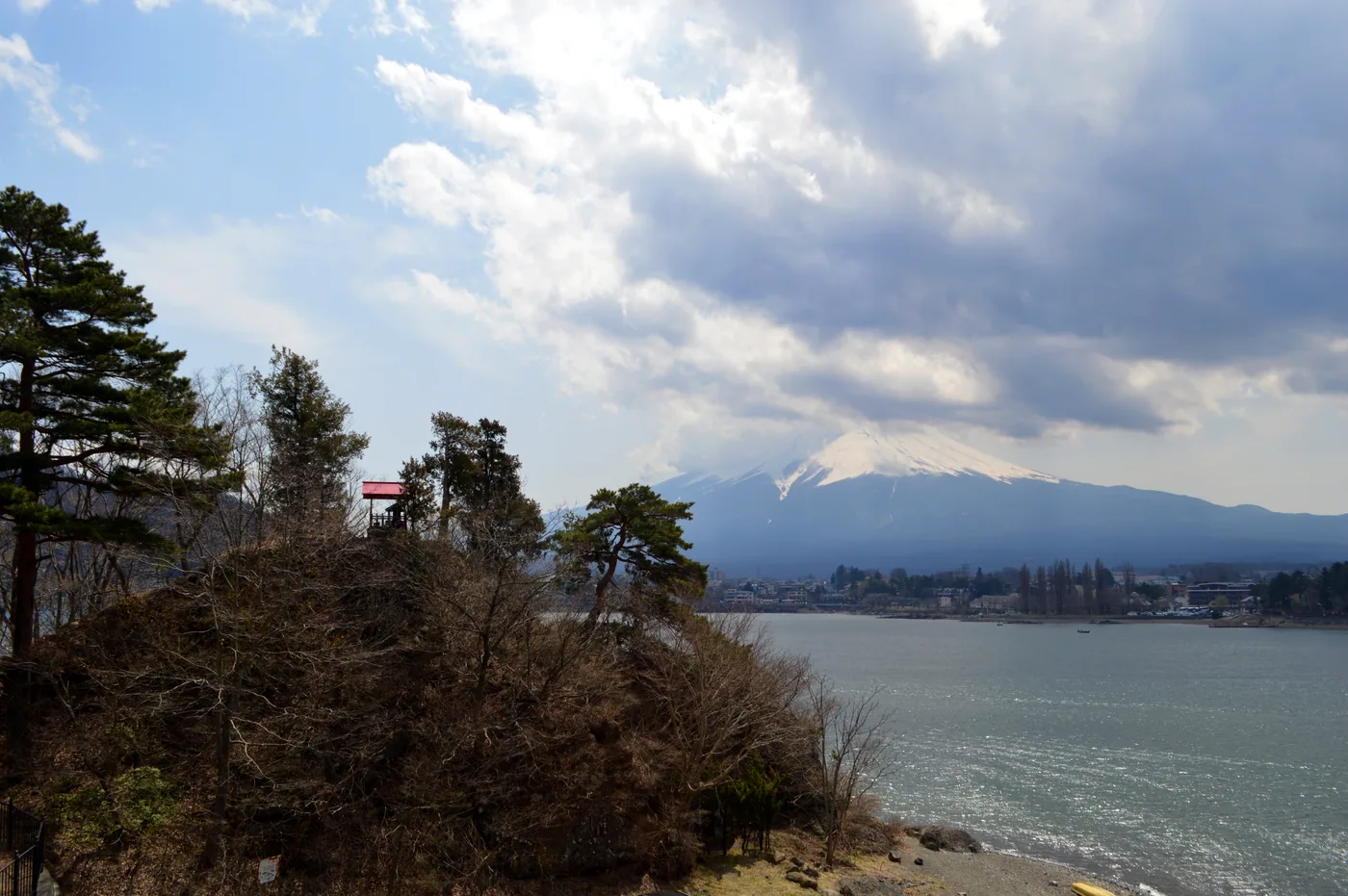

The Singapore booking mix skews toward Kyoto and Tokyo, with growing interest in lesser-known destinations as repeat travellers want something different from their previous Japan trip.
Location | Share of Singapore bookings | Why it appeals |
|---|---|---|
Kyoto | ~45% | Heritage density, English studios, easy from KIX |
Tokyo | ~35% | Meiji Jingu, Asakusa, hotel quality, dining |
Kanazawa | ~7% | Quieter, golden palette, Kenrokuen garden |
Hakone / Mt Fuji | ~6% | Ryokan stay + Fuji backdrop |
Kamakura | ~4% | Half-day option from Tokyo |
Other (Okinawa, Hokkaido, Nara) | ~3% | Repeat clients |
Kyoto remains the centre of gravity, with our top Kyoto studios 2026 shortlist as the usual reference. Singapore couples who've been to Kyoto on holiday before sometimes prefer Kanazawa for the second visit. For wider planning compare Tokyo vs Kyoto.
Per-Couple Spend Tier (Premium)
Singapore couples consistently sit at the premium end of our booking spread — higher than Chinese, Taiwanese, or Korean averages, comparable to or above Hong Kong and Australian couples. Typical ranges we see for a 1-day shoot in 2026:
- Photographer (half-day, 4 hours): SGD 1,800 – 3,500 (¥200,000 – ¥400,000)
- Kimono rental (bride uchikake + groom hakama): SGD 700 – 1,500 (¥80,000 – ¥170,000)
- Hair and makeup with kitsuke: SGD 450 – 900 (¥50,000 – ¥100,000)
- Premium album (layflat, 30cm): SGD 800 – 1,800 (¥90,000 – ¥200,000)
- Location permits and transport: SGD 200 – 600 (¥25,000 – ¥70,000)
Total day-of package: SGD 4,000 to 8,000 (¥450,000 – ¥900,000) is the typical mid-to-premium range, before flights, hotels, and any added cultural elements like tea ceremony or shrine ritual. Singapore couples are noticeably willing to upgrade the album binding and add a second outfit change. Our 2026 cost guide has the broader benchmark.
Halal Catering at Reception (For Muslim Couples)
For Muslim Singaporean couples, halal-certified or halal-friendly catering at the after-shoot dinner is the most reliable concern to plan around. Japan's halal infrastructure has grown substantially — Tokyo has roughly 100 certified halal restaurants, Kyoto 30 to 40, and most major hotels (Imperial, Peninsula, Conrad) can prepare halal-friendly room service with advance notice.
Three practical approaches we use:
- Certified halal venues: Halal Gyumon (Asakusa) for halal wagyu, Sumiyakiya (Roppongi), Naritaya (Asakusa) — book directly, mention the wedding context for service polish.
- Hotel arrangement: brief the hotel concierge a week ahead — they coordinate with the kitchen on dedicated utensils, alcohol-free preparation, and pork-free cross-contamination protocols.
- Self-catering takeaway: halal bento from Tokyo Halal Mart or Kyoto Halal Garden delivered to the ryokan or hotel for a private dinner.
Studios themselves don't usually host meals on shoot day, but for any tea-ceremony element where wagashi sweets are involved, confirm in advance that the wagashi is gelatine-free and alcohol-free. Our wagashi page covers the basics.
Booking from Singapore
Email is the practical default. Most studios respond in English within 24 to 48 hours during Japan business hours (Singapore is 1 hour behind Tokyo). WhatsApp is sometimes available with English-speaking studios — confirm during the first email exchange rather than assuming. Wire transfer or international credit card payment is standard; SGD-to-JPY conversion via the card network is usually cheaper than bank wire fees for deposits under SGD 2,000.
Deposits run 20 to 30% at booking, balance due 14 to 30 days before the shoot. Cancellation policy varies — see cancellation and rescheduling for the standard tiered structure. Singapore couples sometimes ask about typhoon contingency for September and October shoots; reputable studios have clear rescheduling language for confirmed weather warnings, which we recommend confirming in writing before sending the deposit.
For the broader booking framework see how to book from abroad and the 18-month wedding planning timeline.
FAQ
Do we need a Japan visa from Singapore?
No. Singapore passport holders enter Japan visa-free for up to 90 days on a tourist or short-business basis. You will need a return ticket and proof of accommodation if asked at immigration, but this is rarely checked for short stays.
Can our parents fly with us and watch the shoot?
Yes, and many Singapore couples bring one or both sets of parents. See our bringing parents page for the practical setup — outdoor shoots accommodate observers easily, indoor studios usually have a seated viewing area.
Can the studio coordinate kebaya or cheongsam as a second outfit?
Some Tokyo and Kyoto studios will, but it's not standard. If the cultural-fusion outfit matters, bring it from Singapore and arrange one outfit change at the studio. The kitsuke staff handle kimono; you'll do your own dressing for the second outfit, or bring a familiar Singapore-based stylist.
Is December a good month given how cold it gets versus Singapore weather?
December is bookable but cold — Tokyo averages 8 to 12°C daytime, Kyoto can be colder with possible light snow. Most Singapore brides find it manageable for a 2 to 3 hour outdoor shoot with thermal layers under the kimono. The light is excellent. If cold sensitivity is a concern, late March to April (cherry blossom) or October to November (autumn) are warmer and more popular.
Can we shoot at a Buddhist temple given non-Buddhist religious backgrounds?
Yes. Most major temples (Kiyomizu-dera, Kennin-ji, Hokoku-ji) welcome respectful photo subjects regardless of personal faith. Our Buddhist wedding ceremony page covers what's a ceremony versus a portrait shoot — they are different bookings.
How does this compare with what Chinese or Taiwanese couples book?
Different languages, different budgets, different studios. See Chinese couples and Taiwanese couples for the source-market comparison; the Singapore segment is smaller but premium and English-default.
Can we get same-day digital previews to share with family back home?
Most studios deliver 5 to 10 same-day preview JPEGs within 24 hours for social media. Full edited gallery takes 3 to 6 weeks. The premium album binding (see album delivery) is 6 to 10 weeks on top of that.
Find an English-Plus-Cultural Studio
For Singapore couples, the studio that works best is fluent in English without defaulting to Western-marketing aesthetics, sensitive to multicultural heritage in styling choices, and comfortable with halal or vegetarian arrangements when relevant. Use our photographer directory with the English-fluency and heritage-styling filters, or start with the English-speaking shortlist. If you're comparing source-market specifics, the Chinese couple guide and Taiwanese couple guide cover those segments in parallel.
Related guides
 General guide
Kimono Wedding Photos for Foreigners: How It Works in Japan
Illustrative image · Unsplash. Not a photo of the specific people, places or services discussed.
Yes, foreign couples can have kimono wedding photos taken in Japan — no residency, ceremony or Japanese required. How booking, fittings, pricing and permits actually work.
Read the guide General guide
How to Book a Kimono Photographer in Japan from Abroad: Step-by-Step
Illustrative image · Unsplash. Not a photo of the specific people, places or services discussed.
A complete step-by-step guide for foreign couples booking a kimono pre-wedding photographer in Japan from overseas. Contracts, payments, communication.
Read the guide General guide
Multilingual Wedding Photography Japan: Beyond English
Illustrative image · Unsplash. Not a photo of the specific people, places or services discussed.
A planner's audit of which languages — Korean, Mandarin, Spanish, French, JSL — Japanese kimono studios actually support, plus interpreter costs and when to hire one.
Read the guide