Israeli Couple Kimono Photoshoot Japan: TLV Direct & Shabbat
Israeli couple kimono photoshoot Japan planning guide: 12hr Tel Aviv direct, 90-day visa-free, Shabbat scheduling, kosher reality, and top locations.

Illustrative image · Unsplash. Not a photo of the specific people, places or services discussed.
Check current prices, availability and venue rules with the relevant studio or venue before booking.
Israeli couples bring a planning profile no other segment in our directory matches. Roughly 300 to 700 book Japan kimono shoots each year, arriving via a 12-hour Tel Aviv-Tokyo direct route. Two structural factors override every other decision: Shabbat observance for traditional couples (no Saturday shoots) and the practical limits of kosher dining in Japan. Once those constraints are mapped, the rest of the itinerary — Tokyo or Kyoto anchor, Hokkaido add-on, Korea or Thailand pairing — falls into place quickly.
Why Israeli Couples Choose Japan
Israeli inbound to Japan grew sharply after El Al resumed direct Tel Aviv-Narita service in the late 2010s. The 12-hour single-flight option made Japan competitive with Thailand and Bali for premium long-haul honeymoons. For couples in their late 20s to mid 30s — the dominant segment — Japan reads as the more design-conscious choice, with stronger cultural infrastructure than beach destinations.
Kimono shoots specifically attract Israeli couples for two reasons. First, photographic culture is strong: Tel Aviv has one of the highest per-capita densities of wedding photographers worldwide, and couples arrive with developed visual taste. Second, the aesthetic distance from Israeli wedding traditions — outdoor chuppah, white gown, hora dancing — makes the kimono an experiential complement rather than a replacement. Most Israeli bookings are prewedding or post-wedding, with the legal ceremony held in Israel or Cyprus.
Wedding Planner's Notes: Israeli couples ask harder technical questions than most segments. Expect detailed inquiries about color grading style, RAW delivery policy, and revision rounds in the first email. Studios that send vague replies lose the booking inside 48 hours.
Direct Flight (Tel Aviv TLV → Tokyo Narita 12hr)
Three carriers operate the route as of 2026: El Al (typically 3-4 weekly), JAL, and ANA seasonal. El Al is the only kosher-meal-default carrier; ordering kosher on JAL or ANA requires advance notice 24-48 hours before departure. Flight time is 12 hours eastbound (TLV-NRT), 13-14 hours westbound depending on jet stream. All Israeli flights land at Narita (NRT), not Haneda. Plan a 60-90 minute transfer to Tokyo central via Narita Express or Skyliner.
For Sabbath-observant couples, departure-day planning matters: a Thursday evening TLV departure arrives Friday afternoon at Narita, leaving just enough buffer to reach the hotel before sundown. Saturday-night TLV departures land Sunday afternoon. Avoid Friday afternoon TLV departures, which violate Shabbat for observant flyers and also tend to disrupt the first weekend in Japan.
Visa-Free 90 Days
Israeli passport holders enter Japan visa-free for up to 90 days under the reciprocal short-stay agreement. The 90-day window is generous compared to most non-Asian segments — only EU, US, Canada, Australia, and a few others receive the same. Practically, this means Israeli couples can plan extended Japan-Korea-Thailand circuits without visa logistics interfering.
One caveat: the visa-free entry is for tourism and does not cover paid work. If your shoot involves any commercial or sponsored content (influencer collaborations, branded posts), check with your studio about content rights. See our getting married in Japan as a foreigner guide for legal-ceremony procedures if you plan to register the marriage in Japan rather than Israel.
Sabbath (Shabbat) Observance Considerations
This is the planning factor that distinguishes Israeli bookings from every other segment. Shabbat runs from Friday sunset to Saturday nightfall — roughly 25 hours during which observant couples will not photograph, drive, ride trains, or carry money. The level of observance varies widely: secular Tel Aviv couples may shoot freely on Saturdays, while traditional or Orthodox couples will refuse Saturday entirely. Always clarify observance level at the inquiry stage, not after the contract is signed.
No Saturday Shoots for Observant Couples
For Sabbath-observant couples, the Saturday block is non-negotiable. This eliminates roughly 15 percent of available shoot dates per year and concentrates demand on Friday mornings, Sunday mornings, and weekday slots. Tokyo and Kyoto top-tier studios with Saturday-heavy bookings are often unavailable to observant Israeli couples — plan to book mid-week or work with studios that have Sunday capacity.
Friday Evening Pre-Sabbath Timing
Friday shoots must end well before sundown. In Tokyo, summer sundown is around 18:50, winter sundown around 16:30. A practical buffer: wrap shooting and be back at the hotel by 14:00 in winter, 17:00 in summer. This usually means morning-start shoots (06:30-07:30 start), which align well with golden hour light at shrines anyway.
Sunday Morning Resumption
Saturday night marks Shabbat's end, but observant couples will not have eaten formally for 25+ hours, so Sunday morning shoots start a touch slower. Studios that work with Orthodox clients typically schedule a 08:30 or 09:00 start on Sundays, with kosher breakfast arrangement at the hotel beforehand. Standard 06:00 sunrise shoots can be hard for couples coming off Shabbat.
Kosher Dietary Reality in Japan
Kosher compliance in Japan is harder than halal. There are roughly 5-7 certified kosher restaurants in the entire country, almost all in Tokyo (Roppongi and Hiroo neighborhoods) plus 1-2 in Kyoto. Hotels with kosher kitchens are limited to perhaps 3-4 properties nationwide and require 2-3 weeks advance notice for kosher catering. For comparison, see our dietary restrictions for Japanese wedding meals guide.
Practical options for shoot-day catering: (1) pre-packaged kosher meals shipped from Israel or US, brought in carry-on; (2) Chabad House Tokyo or Kyoto meal arrangements (advance request required); (3) vegetarian/vegan + sealed-package strategy at convenience stores for lower-stringency couples; (4) hotel arrangement of plain fruit, sealed yogurt, packaged baked goods for modest-observance couples.
For shoot-day specifically, most studios do not provide catered meals — couples bring their own. Mid-shoot snacks and water are usually handled by the studio with disposable cups and bottled mineral water, which most observance levels accept.
Hebrew-Speaking Studios (Limited)
Native Hebrew-speaking kimono photographers in Japan are nearly nonexistent. The directory tracks a small number of Tokyo-based studios with one staff member speaking conversational Hebrew, typically from family Israeli background or post-IDF travel. For most Israeli couples this does not matter because of the next point.
English Fluency (Near-Universal)
English fluency among Israeli couples in their 20s and 30s is essentially universal at a working level, and high at a fluent level for couples from Tel Aviv, Herzliya, and other tech-corridor cities. Communication with English-capable Japanese studios is rarely an issue. See our English-speaking kimono photographers shortlist for top-rated options.
Where English breaks down is occasionally on technical Hebrew vocabulary — specific Jewish ritual terminology, kosher certification names, Shabbat-timing details. For these, Israeli couples often pre-write a one-page English-language briefing covering observance level, dietary needs, and specific photo wishes, sent to the studio at booking.
Top Locations Among Israeli Couples
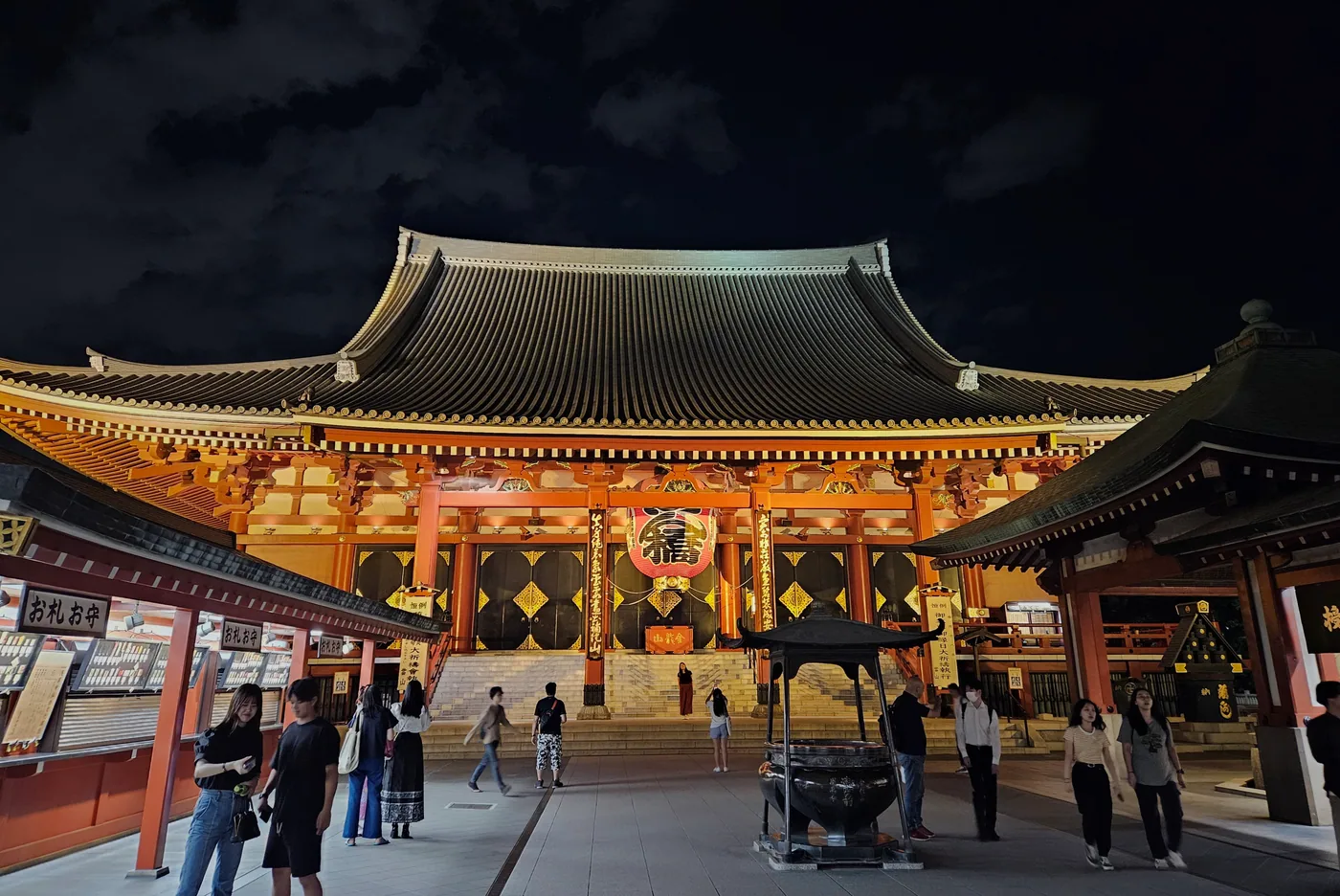

Israeli booking patterns favor Tokyo as the entry point with one secondary city add-on. The trip length averages 9-12 days, longer than East Asian segments but shorter than American or European couples who often run 14-21 days.
Tokyo Modern Mix
Tokyo handles roughly 55-60 percent of Israeli bookings. The appeal is the modern-traditional contrast: shoot the morning at Meiji Jingu, transition to Asakusa for street scenes, and finish at a Shibuya rooftop at golden hour. The neighborhood density also helps Sabbath-observant couples — kosher infrastructure (Chabad, hotel kosher options) is concentrated within Tokyo and harder to access elsewhere.
Kyoto Cultural Anchor
Kyoto runs second at roughly 25-30 percent of Israeli bookings, almost always as a 3-4 day add-on after Tokyo. Israeli couples often book a Kyoto studio with strong shrine-etiquette knowledge and prefer the higher-end curated studio list over mass-market kimono rentals. Kyoto's kosher infrastructure is more limited than Tokyo — plan meals in advance.
Hokkaido Snow Backdrop
Hokkaido in January-February draws perhaps 10 percent of Israeli bookings, most often newlyweds with snowboard or ski itineraries combining Niseko with a single shoot day in Sapporo or Otaru. See our Hokkaido kimono photoshoot and snow wedding photoshoot guides. Kosher infrastructure in Hokkaido is essentially zero — couples observing kosher should plan pre-packaged meals and accept a limited dining experience during this segment.
Multi-Country Asia Pairings (Korea, Thailand)
Israeli couples pair Japan with another Asian country more often than most segments. The 12-hour TLV-NRT flight is long enough that couples maximize the trip by adding Seoul (1.5hr flight from Tokyo), Bangkok (6hr from Tokyo), or occasionally Bali. Seoul pairs well for couples interested in Korean traditional dress (hanbok) photoshoots as a comparison to kimono. Thailand pairs well for beach decompression after the structured shoot week.
For Sabbath-observant couples, the pairing logic shifts: Thailand has stronger Chabad infrastructure (Bangkok, Phuket, Koh Samui) than most Asian countries and is often the easier add-on for kosher dining. Korea has a Seoul Chabad but smaller scale than Thailand's network.
NIS-JPY Exchange Considerations
The Israeli shekel (NIS) to Japanese yen rate has trended favorably for Israeli buyers since 2024, with the yen weakening to historic lows against most currencies. As of mid-2026, 1 NIS sits around 40-42 JPY, meaning Japan feels relatively affordable compared to a Tel Aviv local equivalent. Premium ¥1,500,000 packages convert to roughly NIS 35,000-38,000 — comparable to a high-end Israeli wedding photographer day-rate plus production.
Payment timing matters: most Japanese studios invoice in JPY, and Israeli credit cards apply a 2-3 percent foreign-transaction fee plus currency-conversion margin. Wire transfers from Bank Hapoalim or Bank Leumi to Japanese accounts take 3-5 business days and carry flat fees (~NIS 100-200) but typically clear at better rates than card. For deposits under ¥500,000, card is usually fine; above that, wire transfer makes sense.
Spend Tier (Premium for Tier-1 City Couples)
Israeli couples from Tel Aviv, Herzliya, and Ramat Gan tech corridors trend toward the premium tier — typically ¥800,000-¥1,800,000 for the full photoshoot package including kimono, hair-makeup, photographer, second shooter, and BTS coverage. Mid-tier ¥400,000-¥700,000 is common for couples from Jerusalem, Haifa, and Beer Sheva. Budget-tier bookings under ¥300,000 are rare from Israel and usually involve very short single-location shoots.
Add-ons booked at high rates by Israeli couples: second shooter (around 60 percent of premium bookings), fine-art print packages (around 40 percent), and leather-bound albums (around 50 percent). Video coverage attaches at lower rates than American couples — Israeli buyers tend to prioritize stills.
Family Involvement Patterns
Israeli families travel with the couple more often than most Western segments. Roughly 30-40 percent of Israeli bookings include 2-6 family members joining for at least one shoot day. Parents and siblings frequently appear in the family-portrait segment, sometimes with grandparents flying in from Tel Aviv specifically for the shoot. See our family photo positioning guide for staging.
Kosher logistics scale with family group size — for a 6-person Orthodox party, hotel kitchen arrangement and Chabad meal coordination need 4-6 weeks advance planning. Studios working with this size group should be told at inquiry, not at the final week.
For non-observant Israeli families, the experience is closer to standard premium-couple shoots — group dinner at a Tokyo izakaya or Kyoto kaiseki restaurant after the shoot, no special meal arrangements needed.
Frequently Asked Questions
Can we ship kosher meals from Israel to our Tokyo hotel?
Yes, but airport customs may inspect food parcels. Most Israeli couples bring vacuum-sealed kosher meals in checked luggage (allowed up to reasonable personal-use quantities) rather than shipping. Chabad House Tokyo also coordinates meal delivery for confirmed visitors with 1-2 weeks notice.
Do Japanese shrines have any restrictions on Jewish couples?
No religious-affiliation restrictions exist. Shinto shrines welcome visitors of all backgrounds for photography, and the kimono-wearing protocols are cultural rather than religious. Some Orthodox couples prefer to photograph at Buddhist temples or non-religious gardens to avoid any sense of participating in Shinto ritual — both options work.
Can our shoot be paused for afternoon prayer (Mincha)?
Yes. Mincha pauses of 10-15 minutes are easy to accommodate. Tell the photographer at booking — they'll plan a natural break point and find a quiet location (often inside the studio or hotel suite). Tefillin photography during the shoot is up to the couple; studios will follow your guidance.
How do Israeli couples typically handle the hair-makeup time?
Hair-makeup for kimono runs 90-120 minutes. For Friday shoots ending before sundown, this pushes start time to roughly 04:30-05:00 at the studio, which is tight. Many Israeli couples opt for Sunday or Tuesday-Wednesday shoots to avoid the Friday compression. Hair styling for foreign brides covers prep specifics.
Is there an Israeli wedding-photographer community in Japan?
Not really. A handful of Israeli photographers operate out of Tokyo and travel internationally, but very few specialize in kimono. Most Israeli couples work with Japanese studios and bring their own visual references from Israeli wedding photographers they follow on Instagram.
Can we incorporate Jewish ritual elements into the shoot?
Yes, but discuss with the photographer first. Common additions include a tallit drape, a wedding band exchange recreation, or holding a ketubah. Studios generally accommodate these without surcharge as long as they don't extend shoot duration. Wearing a kippah with kimono is fine — visually it reads as a sober, modest accent.
What is the cancellation policy if Israel security situation changes?
Most Japanese studios run standard cancellation tiers: full refund 60+ days, 50 percent at 30-59 days, no refund inside 30 days. Force majeure clauses covering travel advisories are studio-specific. Travel insurance from Israeli providers (Harel, Phoenix) typically covers Foreign Ministry advisory cancellations — confirm policy specifics before booking the studio deposit.
Are there Jewish wedding traditions we can borrow into the kimono shoot?
The chuppah-style canopy concept doesn't translate, but elements like the ring exchange, signing of a ceremonial document, and group lifting (hora) photos can be staged as standalone moments. Glass-breaking with the kimono present is logistically tricky (kimono cannot easily be lifted) and most couples skip it for the kimono shoot, reserving it for the Israeli legal ceremony.
Find a Sabbath-Aware Studio
The single most useful filter for Israeli couples is whether the studio understands Shabbat scheduling without lengthy explanation. Studios that already work with Orthodox American or European couples typically grasp the Friday-cutoff and Saturday-blackout logic immediately; others need a briefing document. Use the Wasou Wedding Japan directory to filter for English-fluent, Sabbath-aware studios, and start your inquiry with a one-paragraph note covering observance level, kosher needs, and shoot-week date range.
If you're comparing regional options, our Emirati couple kimono photoshoot guide covers the parallel Gulf-region planning profile, and the Mexican couple guide walks through Hispanic-Catholic dual-ceremony pairings.
Related guides
 General guide
Kimono Wedding Photos for Foreigners: How It Works in Japan
Illustrative image · Unsplash. Not a photo of the specific people, places or services discussed.
Yes, foreign couples can have kimono wedding photos taken in Japan — no residency, ceremony or Japanese required. How booking, fittings, pricing and permits actually work.
Read the guide General guide
How to Book a Kimono Photographer in Japan from Abroad: Step-by-Step
Illustrative image · Unsplash. Not a photo of the specific people, places or services discussed.
A complete step-by-step guide for foreign couples booking a kimono pre-wedding photographer in Japan from overseas. Contracts, payments, communication.
Read the guide General guide
Multilingual Wedding Photography Japan: Beyond English
Illustrative image · Unsplash. Not a photo of the specific people, places or services discussed.
A planner's audit of which languages — Korean, Mandarin, Spanish, French, JSL — Japanese kimono studios actually support, plus interpreter costs and when to hire one.
Read the guide