Proposal Photoshoot Japan: Hidden Photographer & Staging
Proposal photoshoot Japan planning explained: three formats from candid hidden photographer (¥80K-¥200K) to multi-location proposal day journeys (¥500K).

Illustrative image · Unsplash. Not a photo of the specific people, places or services discussed.
Check current prices, availability and venue rules with the relevant studio or venue before booking.
The proposal photoshoot — the service of capturing the actual moment one partner asks the other to marry — has become a distinct booking category in Japan since 2020. It is not the same as prewedding or engagement photography, and the choice between candid, staged, and multi-location formats determines the budget and emotional outcome far more than the venue does. Most international couples we advise are choosing the wrong format first and then over-spending on logistics to compensate.
The Three Proposal Photoshoot Categories
Studios offering proposal photoshoots in Japan generally market under one of three formats. The format determines how the photographer behaves on the day, how much your partner knows in advance, and what kind of images you receive. Before comparing locations or photographers, decide which of these three fits your situation.
Candid Hidden Photographer (¥80,000-¥200,000)
The hidden-photographer format means one partner secretly hires a photographer to capture the proposal as it unfolds. The photographer arrives at the agreed location 30-60 minutes before the couple, blends into the surroundings as a tourist with a camera, and shoots from a discreet distance using a 70-200mm or 100-400mm telephoto lens. Your partner does not know the photographer is present until after the "yes" — and ideally not even then, since many photographers will continue shooting candid celebration shots before approaching.
The standard package includes a 30-60 minute shoot, 30-50 edited images, and one reveal moment where the photographer steps forward to introduce themselves and shoot a few intentional posed images. Pricing in Tokyo and Kyoto sits at ¥80,000-¥200,000 depending on photographer experience and whether English-language coordination is included.
Wedding Planner's Notes: The hidden format produces the most genuinely emotional images but requires the most coordination. We have seen proposals fail because the partner being proposed to spotted the photographer and assumed they were being filmed for a separate reason. If your partner is observant, consider arranged staging instead — the surprise is smaller but the photos are not compromised by tension.
Arranged Staging (Both Parties Aware, ¥50,000-¥150,000)
In the arranged-staging format, both partners know a photographer is present. The proposal itself may still be a surprise — the proposing partner has chosen the moment and the ring — but the photoshoot is planned openly. Couples meet the photographer at the location, do a brief 10-15 minute walk-through, and then the photographer captures the proposal sequence with intentional framing.
This format costs less because no covert positioning is required and the photographer can shoot from closer with a 24-70mm or 35mm lens. Standard packages run ¥50,000-¥150,000 and include 40-80 edited images, often with a longer post-proposal portrait session built in. The result reads less as a documentary capture and more as a styled engagement portrait around a proposal moment.
This is the format we recommend most often for international couples on tight Japan itineraries. The lower coordination overhead means the day proceeds without anxiety, and the resulting images are still highly emotional — just visually more polished than candid shots.
Proposal Day Journey (Multi-Location, ¥200,000-¥500,000)
The proposal day journey is a half-day or full-day production covering multiple locations: an arrival shot at the airport or hotel, daytime activities (perhaps a kimono fitting or temple visit), the proposal location itself, and post-proposal celebration coverage. Couples receive 150-300 edited images plus optional short-form video.
Pricing ranges from ¥200,000-¥500,000 depending on the number of locations, whether a videographer is added, and whether kimono dressing or hair-and-makeup is included. This is the format most international couples select when they are also producing a prewedding shoot in the same trip — the proposal day and prewedding can sometimes be combined or scheduled back-to-back with the same studio.
Top Proposal Locations
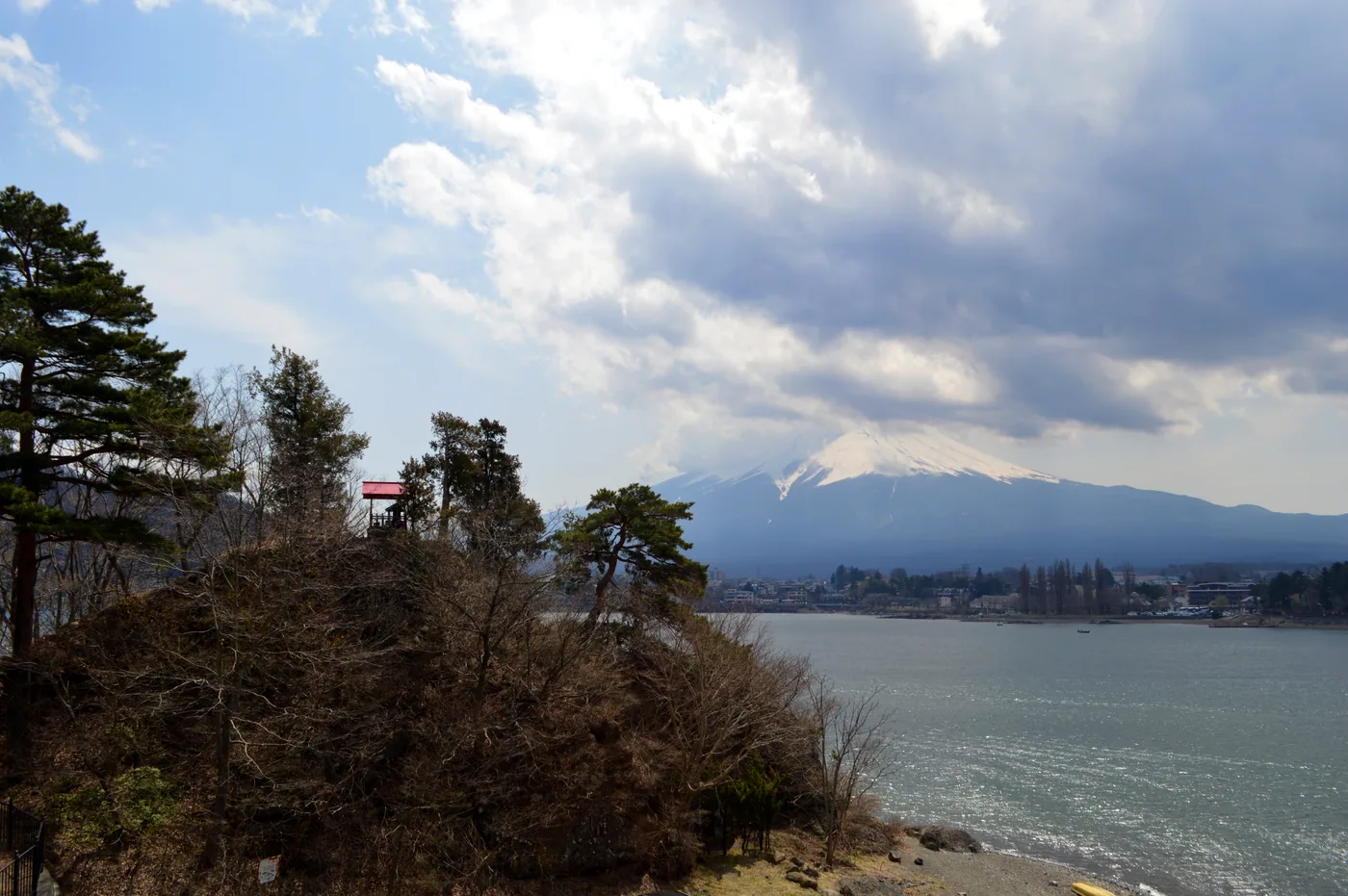

Location choice should follow format choice, not the reverse. A scenic view that works for arranged staging may not allow the discreet positioning required for a hidden photographer. The locations below are ranked by booking frequency among international couples.
Tokyo Skyline (Roppongi Hills, Tokyo Skytree)
The Tokyo skyline at sunset and blue hour is the most-booked proposal backdrop in Japan. Roppongi Hills Mori Tower observation deck (52nd floor, paid admission) offers a 270-degree view including Tokyo Tower and Mt Fuji on clear days. Tokyo Skytree's Tembo Deck (350m) and Tembo Galleria (450m) provide similar height with eastward views over Asakusa and Tokyo Bay.
Both venues require pre-arranged photography permits for commercial shoots. For private personal-use shoots, photographers typically work without formal permits but must avoid blocking other visitors. The hidden-photographer format is challenging here because indoor lighting is dim and other tourists frequently enter frame. Most couples choose arranged staging at these venues.
Mt Fuji Vista (Kawaguchiko)
Lake Kawaguchiko on Mt Fuji's northern shore is the second-most-booked proposal location. The lakeside path between Oishi Park and the Kachi Kachi Ropeway offers Mt Fuji backdrops with seasonal flowers (lavender July-August, kochia red autumn, fuyu-zakura winter cherries). Best Mt Fuji visibility: November-February mornings, 6-9 AM.
The hidden-photographer format works well at Kawaguchiko because the lakeside has natural foot-traffic patterns where a photographer with a telephoto lens blends in among tourists. Allow 60-90 minutes of weather buffer in your itinerary — Mt Fuji is hidden behind clouds roughly 40% of mornings outside winter clear-air season.
Kyoto Temple Gardens
Kyoto's temple gardens require careful selection. Major tourist temples (Kiyomizu-dera, Kinkaku-ji, Fushimi Inari) prohibit non-personal photography and are too crowded for hidden-photographer work. Better choices: Hokokuji bamboo grove and zen garden (less crowded than Arashiyama), Ginkaku-ji (more controlled visitor flow than Kinkaku-ji), or private temple gardens accessible through wedding studio partnerships.
For couples specifically wanting cherry blossom or autumn foliage backdrops in Kyoto, see our coverage of cherry blossom photoshoot timing and autumn foliage windows.
Cherry Blossom Spots (Seasonal Window)
The cherry blossom proposal photoshoot is in highest demand of any seasonal category, but the window is short — typically 7-10 days at peak in late March (Tokyo, Kyoto) or early April (Kanazawa, Hakodate). Demand exceeds photographer supply during this window, with bookings closing 6-12 months in advance. Couples planning sakura proposals should book photographers before booking flights.
Top cherry blossom proposal locations: Meguro River (Tokyo, evening illumination), Maruyama Park (Kyoto, weeping cherry), Hirosaki Castle (Aomori, late-April peak), Mt Yoshino (Nara, mountainside views).
Hokkaido Snow (Winter)
Snow-backdrop proposals in Hokkaido (Otaru canal, Lake Toya, Niseko) have grown 30-40% year-over-year since 2023, driven largely by Australian, Singaporean, and Hong Kong couples already visiting for skiing. Otaru canal in early February (during the Snow Light Path festival) and Lake Toya in January-March are the most-booked Hokkaido proposal spots.
Cold-weather considerations: ring exposure should be minimized (metal becomes painful to touch below -10°C), and proposers should rehearse removing the ring box from a pocket while wearing gloves. Most photographers will brief on this during the pre-shoot consultation.
How Hidden-Photographer Logistics Work
The hidden-photographer format requires three pre-shoot coordination steps. First, you share a clear photograph of your partner with the photographer at least 7-14 days before the shoot, so the photographer can identify the couple in a crowd. Second, you confirm the exact arrival window (typically a 15-30 minute window rather than a single time, allowing for transit variability) and the precise location pin via Google Maps. Third, you agree on the reveal signal — usually the photographer waits 1-2 minutes after the "yes" before approaching.
You should also decide in advance how you want the photographer to behave if the proposal is interrupted (other tourists wandering into frame, weather changes, your partner spotting them). Most experienced proposal photographers will silently relocate up to 50 meters and continue shooting if the original spot becomes unworkable.
If the proposal location is busy or visibility is uncertain, consider hiring a second shooter. The cost adds ¥30,000-¥80,000 but provides backup angles and reduces single-point-of-failure risk on a moment that cannot be reshot.
Permit Considerations at Public Spaces
Public parks and shrines in Japan distinguish between personal-use photography (allowed without permit at most sites) and commercial photography (requires permit, fee, and often advance application). Proposal photoshoots fall into a gray area: the shoot is for personal use, but a hired photographer with professional equipment may be questioned by site staff.
Sites with strict commercial-shoot enforcement (require advance permit even for personal hiring): Meiji Jingu inner shrine, Kinkaku-ji, Kiyomizu-dera, Imperial Palace East Gardens, Shinjuku Gyoen. See our Meiji Jingu permit guide for the formal application process.
Sites where personal-use hiring is generally accepted without permit: Kawaguchiko lakeside, Tokyo Skytree exterior plaza, Hokokuji temple, most public riverside paths. Your photographer should confirm the current policy at your chosen location — rules have tightened at several Tokyo and Kyoto sites since 2023.
Coordinating with Prewedding Shoot Booking
Roughly 40% of international couples we advise combine a proposal photoshoot with a prewedding or engagement shoot in the same Japan trip. The two services are distinct: the proposal captures a single emotional moment, while prewedding produces a styled couple-portrait series (often in kimono).
The most efficient sequence is proposal photoshoot on day 1-2 of the trip, then prewedding shoot 3-7 days later. This gives time for the partner who was proposed to to recover from the emotional moment and engage with the kimono fitting and styled portrait session. Booking both services from the same studio often unlocks 10-20% package discounts and ensures consistent editing style across both deliveries.
International Couples — Special Considerations
Three issues come up specifically for international couples planning a proposal photoshoot in Japan. First, language: most proposal photographers in Tokyo and Kyoto speak working English, but rural Hokkaido and Kyushu photographers may not. Confirm English coordination capacity before booking. See our English-speaking photographer directory for vetted options.
Second, ring import: bringing an engagement ring through Japanese customs typically does not require declaration if its value is under JPY 200,000 (approximately USD 1,400). Higher-value rings should be declared on arrival to avoid issues if customs requests inspection. Carry the ring in carry-on luggage, not checked baggage.
Third, timing buffer: international flights and jet lag mean the proposing partner is often exhausted on day 1-2 of the trip. Schedule the proposal photoshoot for day 3-5, after at least one full night of rest. We have seen multiple proposals where exhaustion compromised the emotional moment.
Ring Detail Shot Inclusion
Standard proposal photoshoot packages include 2-5 ring detail shots: the ring on the recipient's hand, the ring box closeup, the moment of ring placement on finger. These detail shots are typically captured after the proposal moment, in a controlled mini-session of 5-10 minutes.
If you want studio-quality ring imagery (jeweler-style macro shots, ring on flowers or against textured backgrounds), request macro-lens coverage in advance — not all proposal photographers carry 100mm macro lenses. Studios specializing in detail-shot work may charge a ¥10,000-¥30,000 premium for full ring macro coverage.
Post-Proposal Celebration Coverage
The 30-60 minutes following the "yes" produce some of the most emotionally valuable images — the couple's first phone calls to family, walking together at the proposal location, a celebratory drink. Most arranged-staging and proposal-day-journey packages include this celebration coverage by default. Hidden-photographer packages may charge an additional ¥20,000-¥50,000 to extend into post-proposal coverage.
If you have planned a celebratory dinner or activity, ask whether the photographer can join for the first 15-30 minutes. A documentary-style capture of the first toast or the first call to parents adds significant emotional weight to the final gallery.
Combining Proposal + Prewedding in Single Trip
For international couples flying long distances to Japan, combining proposal, prewedding, and even an elopement ceremony into a single 7-14 day trip is increasingly common. A workable sequence: arrival day 1-2 (rest), proposal day 3 (Tokyo skyline or Kawaguchiko), recovery and sightseeing days 4-6, prewedding kimono shoot day 7 (Kyoto or Kanazawa), optional shrine elopement ceremony day 8-9, departure.
The total photography investment for this combined trip typically lands at ¥400,000-¥1,000,000 across all services. Some studios offer combined "Japan engagement journey" packages that bundle all three services with a 15-25% multi-service discount. Considering print delivery? See our coverage of fine-art print options for displaying the resulting images.
Frequently Asked Questions
What happens if my partner says no?
Experienced proposal photographers will quietly stop shooting and exit the location within 60 seconds. Most studios do not refund the booking fee in this scenario but will not deliver any images either — the shoot is treated as not having occurred. If you have specific concerns, ask about the studio's policy in writing before booking.
How far in advance should I book a hidden-photographer proposal shoot?
For Tokyo and Kyoto, book 6-8 weeks in advance for standard dates and 4-6 months in advance for cherry blossom or autumn foliage windows. Hokkaido winter dates (January-February) book 3-4 months in advance. Last-minute bookings within 14 days are sometimes possible but limit photographer choice.
Can the photographer also film a video of the proposal?
Some proposal photographers offer hybrid photo-video coverage at a ¥30,000-¥80,000 premium. For dedicated cinematic video, hire a separate videographer — the cinematic skill set differs from still photography. See our video vs photo coverage guide for the trade-offs.
What if it rains on the day?
Most proposal shoot contracts include one free reschedule for weather. Tokyo and Kyoto have backup indoor options (covered observation decks, hotel lobbies, station glass-roof areas) that some photographers will pivot to without full reschedule. Mt Fuji and Hokkaido shoots are more weather-sensitive — clarify the reschedule policy before booking.
Should I tell the photographer the exact words I plan to say?
No need — the photographer is shooting visually, not recording audio. Telling them the moment of the planned ring reveal (e.g., "I'll kneel after about 30 seconds of talking") is helpful for timing the shutter. Most photographers prefer not to know the exact wording so they can react authentically to the unfolding moment.
Can family members watch the proposal remotely?
Some proposal day journey packages include a live-stream coordinator who joins via WhatsApp or Zoom for family members watching from home. This adds ¥30,000-¥50,000. Most couples skip this and instead receive a 2-3 minute highlight video within 48 hours to share with family.
Do proposal photographers also handle the engagement ring purchase?
No. Ring purchase is separate. If you want to purchase a ring in Japan (Tokyo Ginza, Kyoto Kawaramachi, or Yokohama Motomachi have ring jewelers familiar with international buyers), allow 5-7 days for sizing if you do not know your partner's ring size in advance. Many photographers will accept a temporary placeholder ring for the proposal shoot and reshoot detail shots after the real ring is sized.
Find a Proposal-Capable Studio
Not every wedding photographer in our directory offers proposal photoshoot coverage — it is a specialized skill set requiring discreet positioning, long-lens technique, and English-language coordination for international clients. Browse our directory of vetted Japan wedding photographers and filter for studios with documented proposal coverage. Most studios respond within 24-48 hours with a proposed format, location options, and pricing.
Already planning the broader trip? Continue with our guide to elopement photoshoot procedure in Japan for couples extending the proposal trip into a small-scale ceremony, or review fine-art print options for displaying the resulting images at home.
Related guides
 General guide
Honeymoon in Japan with a Kimono Photoshoot: Full Plan
Illustrative image · Unsplash. Not a photo of the specific people, places or services discussed.
Plan a honeymoon in Japan with a kimono photoshoot. Routes, length, when to schedule, costs combined, and logistics for couples in 2026.
Read the guide General guide
How to Plan Your Kimono Pre-Wedding Trip to Japan: A 7-Day Itinerary
Illustrative image · Unsplash. Not a photo of the specific people, places or services discussed.
A complete 7-day itinerary for couples planning a kimono pre-wedding photoshoot trip to Japan, covering Kyoto, Tokyo, and Kamakura with shoot days, rest days, and logistics.
Read the guide General guide
Eloping to Japan: The Kimono Elopement Guide (2026)
Illustrative image · Unsplash. Not a photo of the specific people, places or services discussed.
A Japan elopement takes three forms: a kimono photo session, a two-person shrine ceremony, or legal marriage. Costs, locations, paperwork and a 3-day itinerary.
Read the guide