Eloping to Japan: The Kimono Elopement Guide (2026)
A Japan elopement takes three forms: a kimono photo session, a two-person shrine ceremony, or legal marriage. Costs, locations, paperwork and a 3-day itinerary.

Illustrative image · Unsplash. Not a photo of the specific people, places or services discussed.
Check current prices, availability and venue rules with the relevant studio or venue before booking.
Eloping to Japan usually means one of three things: a kimono photo session with no ceremony at all, a real Shinto ceremony held for just the two of you, or — rarely — a legal marriage completed at a Japanese municipal office. All three happen every week in Kyoto, Tokyo and Okinawa, and none of them requires guests, residency or Japanese. This guide lays out the three formats, what each costs, and the honest paperwork position, so you can plan a two-person wedding trip that actually works.
The three formats of a Japan elopement
1. The photo elopement (most common)
You rent bridal kimono — typically the white shiromuku or a colored iro-uchikake — and spend a day being photographed at a shrine approach, a garden or a historic street. There is no officiant and nothing to register; it is a photography booking, which is exactly why it works so well for couples who married legally at home or plan to. The full mechanics are in our guide to kimono wedding photos for foreigners.
2. The shrine ceremony elopement
Some shrines will conduct a shinzen-shiki (神前式, Shinto wedding rite) for a visiting couple with no guests: purification, ritual sake exchange, and vows before the kami, usually led through a coordinator who briefs you on each step. It is a genuine ceremony rather than a performance, so shrines that offer it ask for respect for the format — and not every shrine accepts non-Japanese couples or photo-only intentions. Our Shinto ceremony guide explains the rite itself and how photography fits around it.
3. The legal marriage in Japan
Legally marrying in Japan means filing a marriage registration (婚姻届, kon'in todoke) at a municipal office, supported by an affidavit of competency to marry from your embassy — requirements differ by nationality, and some embassies handle it same-week while others need appointments booked well ahead. It is entirely doable, but it is paperwork rather than romance, which is why most international couples register at home and treat the Japan day as the ceremony and photographs.
What a Japan elopement costs

For the photo-elopement format, the package is the cost. Among photographers on this site, packages start at a median of ¥88,000 (studio-weighted, shorter shoots), and full packages — kimono rental, hair and makeup, location shooting and edited photos — sit around a median of ¥214,500. On top of that, shrine shoots carry a photography permit fee that your photographer arranges, and ceremony elopements add the shrine's own ceremony offering, published by each shrine on its own schedule. Real directory price data by area and plan type is in the cost guide.
Where couples elope in Japan
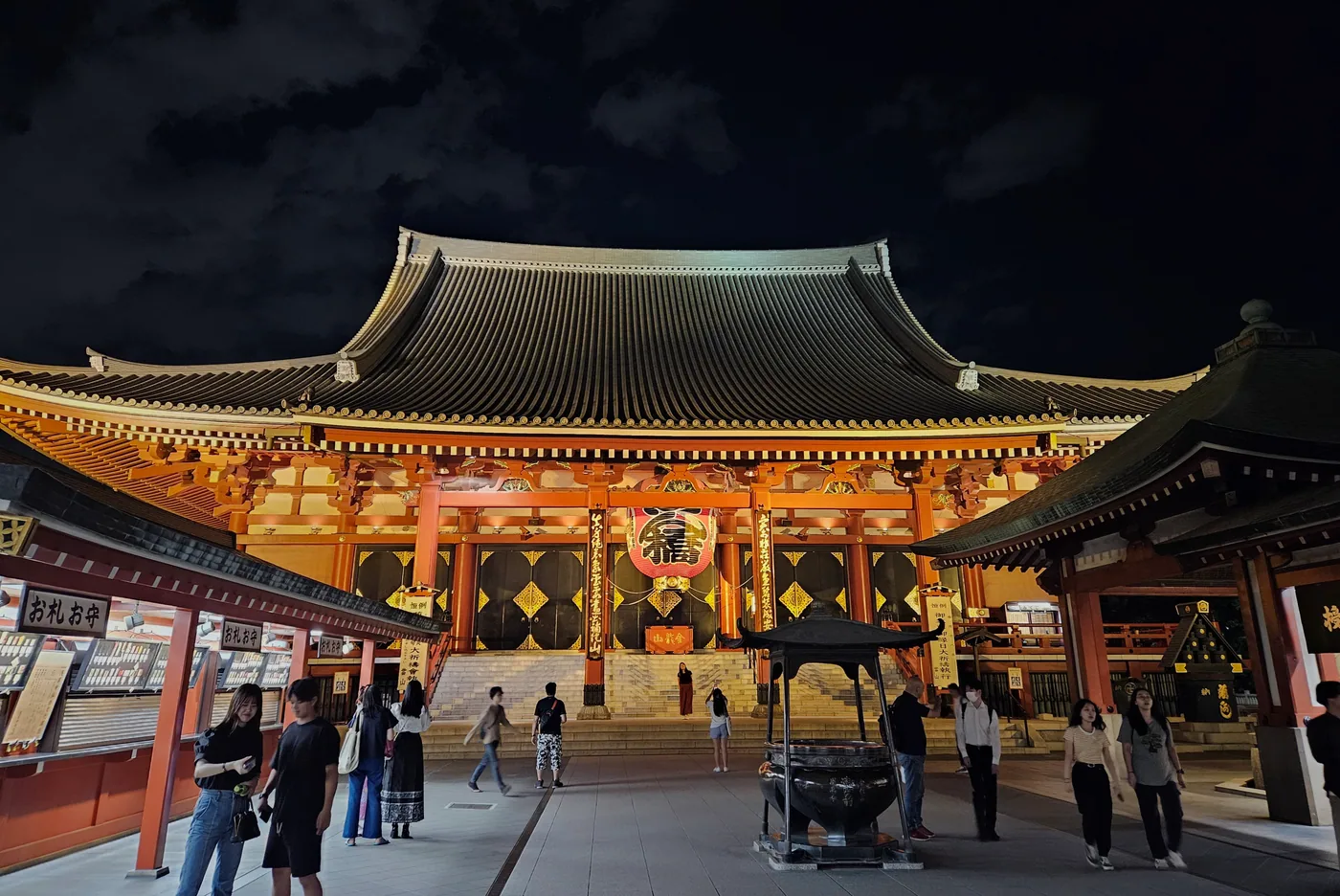

Kyoto is the default for a reason: shrine approaches, machiya streets and gardens within a small radius, and the deepest bench of photographers who shoot kimono weekly. Tokyo's Asakusa district gives the same register with easier logistics on a city trip. Okinawa swaps shrines for sea light and Ryukyu architecture, and mountain towns like Karuizawa or the Nikko area photograph beautifully in forest green and autumn color. Browse by area from the photographer directory, or start from the pre-wedding photoshoot guide if you are still orienting.
A realistic three-day elopement itinerary
Couples routinely try to fit an elopement into one day. It works, but three days is the comfortable shape:
- Day 1 — arrival and fitting. Kimono selection and any final consultation with the studio; no photography.
- Day 2 — the day itself. About two hours of dressing, hair and makeup before the first photo, then a one-to-four-hour shoot (and the ceremony, if you booked one). With travel between spots this is effectively a full day.
- Day 3 — buffer. Weather insurance. If rain forces a move, the reschedule lands here instead of nowhere.
If the elopement anchors a longer trip, our seven-day itinerary builds the shoot into a full route, and the season guide is where to start if the dates are still open.
Do you need any paperwork?
For a photo elopement or a symbolic shrine ceremony: nothing beyond normal tourist entry. You are booking services, not registering a marriage. Only the legal-marriage route involves documents — the embassy affidavit and the municipal filing above — and if you want that, build the embassy appointment into the itinerary before you fix shoot dates, not after.
Wedding Planner's Notes
What separates smooth elopements from stressful ones, in practice: couples who book the photographer before the flights get their first-choice season slots; couples who book flights first negotiate around what is left. Put the shoot early in the trip — every reschedule option stays open. And decide up front whether you want a ceremony or photographs of a ceremony-like day; shrines take the rite seriously, and the photo-only format exists precisely so nobody has to pretend.
Frequently Asked Questions
Can two foreigners legally marry in Japan?
Yes, by filing a marriage registration at a municipal office with an affidavit of competency to marry from each partner's embassy. Requirements vary by nationality, so check your embassy's Tokyo or Osaka pages before planning dates around it.
Can we bring a few guests to an elopement?
Yes. Photo sessions take companions without any formality, and shrines that host two-person ceremonies generally also accommodate a handful of family — confirm the number when the coordinator books the rite.
Do we need a wedding planner to elope to Japan?
For a photo elopement, no — the studio coordinates kimono, styling, permits and locations as one booking. A planner earns their fee when you add a ceremony, several venues or family logistics on top.
Is a shrine ceremony appropriate if we are not religious?
Shrines that offer visitor ceremonies welcome non-Shinto couples; what they ask is that you treat the rite as a rite — follow the coordinator's briefing, dress properly, keep the photography within agreed bounds. If you mainly want the imagery, book a photo session instead.
How far ahead should we book an elopement?
Three to six months for most of the year. Late-March cherry blossom and November foliage weeks fill roughly a year out at popular studios, and two-person ceremony slots at shrines are limited per day, so the ceremony format needs the longest runway.
Start with the photographer
Every Japan elopement, in any format, stands on one vendor: the photographer. Choose from the directory — real prices, direct contact, language notes on every profile — and use the booking-from-abroad guide to run the enquiry from your side of the world.
Related guides
 Budget
Kimono Rental in Japan: What It Costs and Which Kind You Need
Illustrative image · Unsplash. Not a photo of the specific people, places or services discussed.
Kimono rental in Japan means two very different things: a ¥3,000 afternoon in Kyoto, or a bridal shoot from ¥88,000. What each costs, includes and takes.
Read the guide Style guide
Traditional Japanese Wedding Costumes: Who Wears What
Illustrative image · Unsplash. Not a photo of the specific people, places or services discussed.
Traditional Japanese wedding costumes for the bride, groom, family and guests: how formality ranks, what to avoid, and which garments you can actually rent.
Read the guide Location deep dive
Kawaguchiko Kimono Photoshoot: Mt Fuji's Iconic Vista
Illustrative image · Unsplash. Not a photo of the specific people, places or services discussed.
Plan a kimono photoshoot at Lake Kawaguchi with honest clear-Fuji probability guidance, Chureito Pagoda and Oishi Park location logistics, seasonal trade-offs, and access from Tokyo via the Fujikyu Express.
Read the guide