How to Plan Your Kimono Pre-Wedding Trip to Japan: A 7-Day Itinerary
A complete 7-day itinerary for couples planning a kimono pre-wedding photoshoot trip to Japan, covering Kyoto, Tokyo, and Kamakura with shoot days, rest days, and logistics.

Illustrative image · Unsplash. Not a photo of the specific people, places or services discussed.
Check current prices, availability and venue rules with the relevant studio or venue before booking.
A kimono pre-wedding photoshoot is rarely a standalone errand. Most international couples build it into a broader Japan trip that doubles as a celebration, an early honeymoon, and a once-in-a-lifetime cultural immersion. The challenge is balance: too few days and the shoot feels rushed, jet-lagged, and forgettable; too many days and the trip loses focus and budget control. After working with hundreds of couples, we have found that seven full days, structured around two shoot days and built-in rest, deliver the best combination of imagery, experience, and recovery. This itinerary covers Kyoto, Tokyo, and Kamakura, the three most photogenic and accessible regions for first-time visitors, and accounts for jet lag, weather buffer days, and the practical realities of booking shrines and studios. Adjust it to your interests, but keep the underlying rhythm intact.
Day 1: Arrival in Kyoto and Gentle Acclimation
Most international couples fly into Osaka Kansai or Tokyo Narita and connect to Kyoto by the Haruka Express or Shinkansen. Plan to arrive in Kyoto by early afternoon, check into a ryokan or boutique hotel in the Higashiyama or Gion district, and resist the temptation to sightsee aggressively. A short evening walk along the Kamogawa River and a light kaiseki dinner is enough. Sleep is your most important asset for tomorrow's pre-shoot consultation.
Logistical Notes for Day 1
Activate a pocket Wi-Fi or eSIM at the airport, withdraw cash from a 7-Eleven ATM, and download Google Maps offline data for Kyoto. Confirm tomorrow's studio visit by email before you sleep.
Day 2: Studio Consultation and Wardrobe Selection
Most reputable Kyoto studios schedule an in-person consultation one to two days before the shoot. You will try on multiple kimonos, finalize hair and accessory choices, and confirm the next-day timeline. Plan two to three hours for this appointment. The afternoon is free to explore Higashiyama: walk from Kiyomizu-dera down Sannenzaka, through Ninenzaka, and into the Yasaka district. This pre-scouting also helps you preview tomorrow's photography locations.
Day 3: First Photoshoot Day in Kyoto
Your first shoot day starts early. Typical schedules have you arriving at the studio at 5:30 a.m. for hair and dressing, and you will be in shiromuku and ready by 7:00 a.m. for sunrise photography at locations such as Yasaka Pagoda, Nene-no-Michi, or Kennin-ji. After a midmorning break, you change into iro-uchikake for the second half, typically shot in a private garden or along the bamboo paths of Arashiyama. The shoot wraps by early afternoon. Spend the evening recovering with a quiet dinner and an onsen bath if your accommodation offers one.
Day 4: Rest Day and Cultural Experiences in Kyoto
A genuine rest day is the most overlooked element of a successful trip. Your face will be tired from professional makeup, your feet sore from traditional sandals, and your nerves still adjusting to the time zone. Use Day 4 to slow down. Visit a tea ceremony in northern Higashiyama, walk the Philosopher's Path, or take a half-day trip to Fushimi Inari at sunset when crowds thin. Avoid scheduling another long activity. This buffer day also protects you if weather forces a shoot reschedule.
Day 5: Transit to Tokyo and Asakusa Exploration
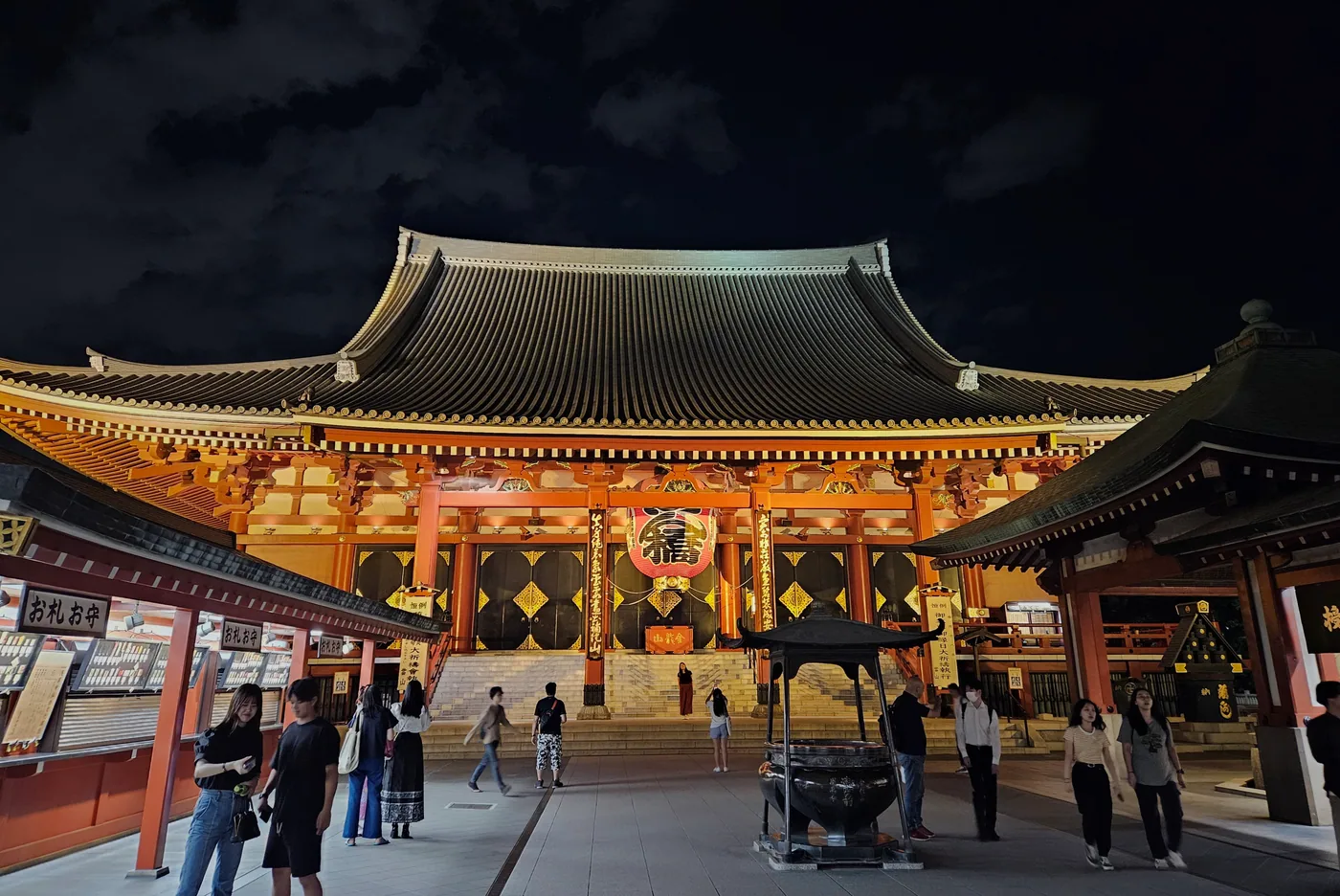
Catch the morning Shinkansen from Kyoto to Tokyo, a two-hour and twenty-minute ride that itself is a memorable experience. Check into a hotel in Asakusa, Ginza, or Shibuya depending on your style preference. Asakusa places you near tomorrow's potential shoot locations and offers historic atmosphere. The afternoon is ideal for visiting Senso-ji Temple, walking Nakamise Shopping Street, and enjoying an evening Sumida River cruise as the city lights up.
Day 6: Second Photoshoot Day in Tokyo or Kamakura
Day 6 is your second shoot, this time contrasting Kyoto's traditional atmosphere with Tokyo's urban-meets-classical aesthetic or Kamakura's coastal-historical mix. Tokyo shoots typically center on Meiji Jingu, Asakusa, or Hama-rikyu Gardens. Couples drawn to a slower, seaside feel can take an early train to Kamakura for Tsurugaoka Hachimangu and the bamboo grove of Hokoku-ji, returning to Tokyo by evening. Two shoot days produce dramatically different image sets and effectively double your final gallery size.
Choosing Tokyo or Kamakura
Choose Tokyo if you want contemporary contrasts and urban iconography. Choose Kamakura if you want quieter, nature-rich images that feel like a continuation of Kyoto. Couples on tighter budgets often choose Tokyo because it eliminates an additional transit day.
Day 7: Free Day, Shopping, and Departure
Reserve Day 7 for last-minute experiences and souvenir shopping. Ginza, Omotesando, and Nakameguro suit different aesthetics. Many couples also use this day for a department-store kaiseki lunch or a final relaxed visit to a tea house. Most international flights from Tokyo depart in the late afternoon or evening, so build in extra time for the Narita Express or Limousine Bus.
Booking Timeline and Budget Considerations

Book your photoshoots first, then build flights and hotels around the confirmed shoot dates. Studios in Kyoto and Tokyo book six to twelve months in advance, particularly during sakura and koyo seasons. Flights to Japan should be reserved four to six months ahead for the best prices, and hotels should be locked in two to three months before arrival. A reasonable total budget for two people, including flights from North America or Europe, hotels, two shoot days, transit, and meals, falls between ¥1,200,000 and ¥1,800,000.
Conclusion
Seven days is the sweet spot for a kimono pre-wedding trip to Japan. It accommodates two shoot days, a built-in rest day for recovery and weather flexibility, and enough cultural exploration to make the trip feel like a true honeymoon rather than a photography errand. Build your itinerary around shoots booked first, prioritize rest over sightseeing density, and treat the journey itself as part of the memory you will carry home alongside the photographs.
To fit a kimono photoshoot into your route, start with the pre-wedding photoshoot guide and see how to book from abroad.
Frequently Asked Questions
Is seven days really enough for a kimono pre-wedding trip?
For most couples, yes. Seven days allows for two shoot days, one rest day, a transit day between cities, and meaningful cultural experiences without overcommitting. Couples wanting deeper exploration of additional regions like Kanazawa or Hiroshima should extend to ten or eleven days.
Should I book the Tokyo or Kyoto shoot first?
Most photographers recommend doing the Kyoto shoot first because Kyoto's locations feel more traditional and are typically the priority image set. Starting in Kyoto also lets you recover from jet lag in a calmer city before moving to Tokyo's energy.
How many shoot days should I plan?
Two shoot days produce a much more varied gallery and reduce weather risk. Single shoot days are workable for tight schedules, but a second day in a different region almost always elevates the final photographs significantly.
Do I need to speak Japanese to manage this itinerary?
No. Major studios, hotels, and transit systems in Kyoto and Tokyo offer English support, and Google Translate covers most gaps. Choosing a studio with confirmed English-speaking staff is the single most important step for stress-free communication.
What happens if it rains on a shoot day?
Most reputable studios offer free rescheduling within your travel window or a partial refund if the rain is severe. This is exactly why a buffer rest day is built into the itinerary, giving you flexibility to shift the shoot by one day without disrupting your trip.
Locations in this guide


Related guides
 General guide
Eloping to Japan: The Kimono Elopement Guide (2026)
Illustrative image · Unsplash. Not a photo of the specific people, places or services discussed.
A Japan elopement takes three forms: a kimono photo session, a two-person shrine ceremony, or legal marriage. Costs, locations, paperwork and a 3-day itinerary.
Read the guide General guide
Elopement Photoshoot Japan: Micro-Wedding Procedure Guide
Illustrative image · Unsplash. Not a photo of the specific people, places or services discussed.
Elopement photoshoot Japan procedure for foreign couples: micro-wedding vs true elopement, costs ¥500K-¥1.5M, shrine venues, witness rules, legal steps.
Read the guide General guide
Engagement vs Prewedding Photoshoot Japan: Pick One, Save Budget
Illustrative image · Unsplash. Not a photo of the specific people, places or services discussed.
Engagement photoshoot Japan vs prewedding: cost differential, when each makes sense, and why most couples shouldn't book both. Planner's allocation framework.
Read the guide