Best Time of Year for a Kimono Photoshoot in Japan: Seasons Compared
A month-by-month guide to the best seasons for a kimono wedding photoshoot in Japan, comparing cherry blossoms, summer greenery, autumn foliage, and winter snow.

Illustrative image · Unsplash. Not a photo of the specific people, places or services discussed.
Check current prices, availability and venue rules with the relevant studio or venue before booking.
On this page
Few destinations transform as dramatically with the seasons as Japan, and for couples planning a kimono pre-wedding photoshoot, the choice of season is nearly as important as the choice of location. Cherry blossoms in early April, vivid green maples in summer, the famous koyo foliage of November, and the silent snow of January all offer entirely different photographic worlds. Each season has its own light quality, color palette, crowd levels, and pricing, and the kimono itself reads differently against each backdrop. This guide compares the four seasons in detail, with specific weeks to target, locations that shine in each, and honest assessments of weather risk so that you can plan a shoot that delivers exactly the atmosphere you imagine when you picture a kimono wedding in Japan.
Spring: Cherry Blossoms and the Sakura Peak
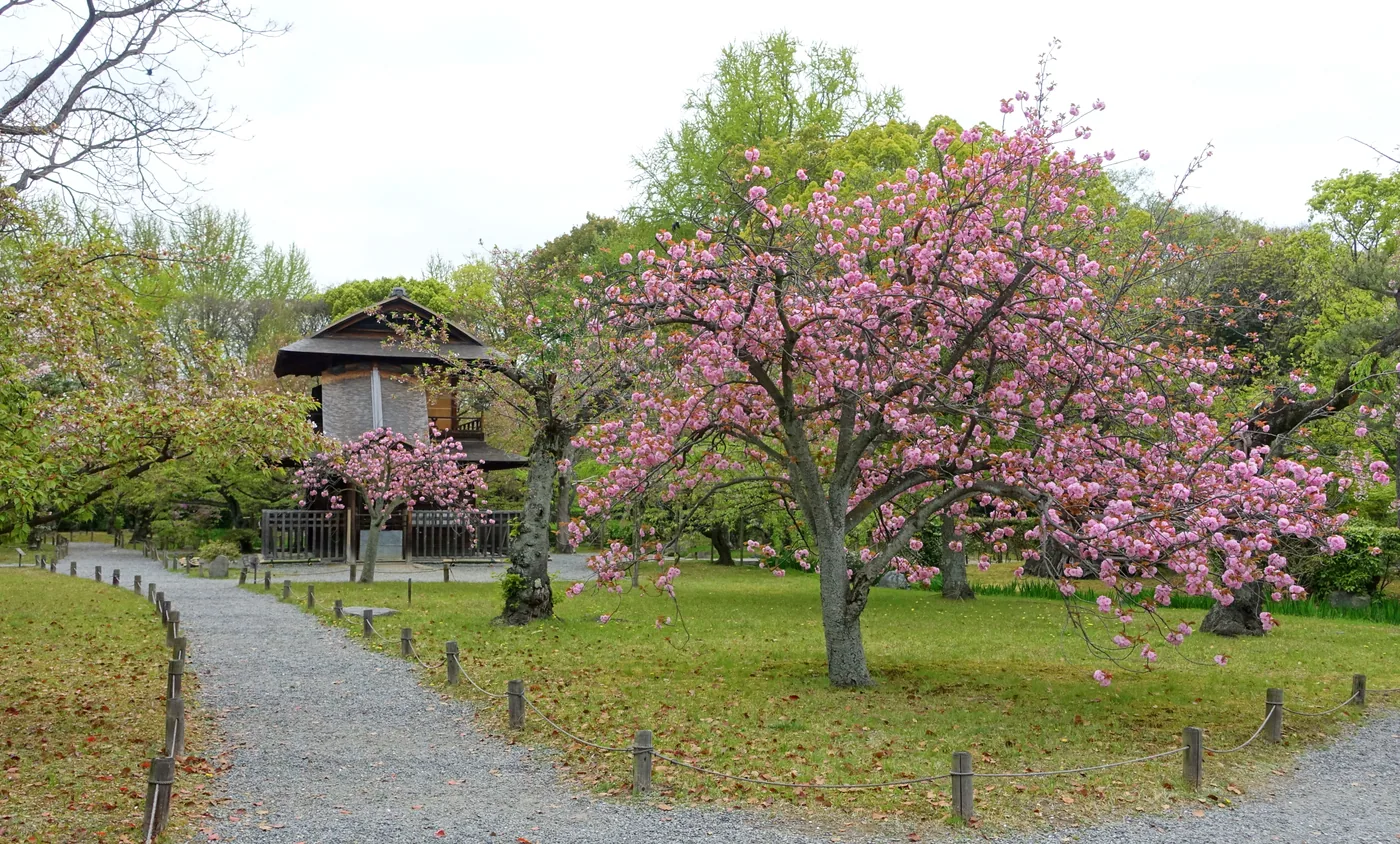

Spring is, unsurprisingly, the most requested season for kimono photography in Japan. The sakura bloom transforms gardens, riverbanks, and shrine grounds into pink-tinted dreamscapes, and the contrast of a red iro-uchikake against pale petals produces some of the most iconic Japanese wedding imagery in the world. The bloom typically peaks between March 25 and April 8 in Kyoto and Tokyo, though warmer years can push peak bloom into mid-March, and cooler springs delay it into the second week of April.
Best Spring Locations and Booking Timing
Top sakura photography spots include the Philosopher's Path and Maruyama Park in Kyoto, Chidorigafuchi and Meguro River in Tokyo, and the lesser-known Yoshino mountains in Nara. Crowds during sakura peak are intense, so sunrise shoots starting at 5 a.m. are strongly recommended. Studios book sakura dates twelve months in advance, and peak-season surcharges of 20 to 30 percent are standard.
Summer: Lush Greenery and Festival Backdrops
Summer in Japan, from June to August, is often overlooked by international couples, partly because of the humidity and partly because the season lacks the postcard recognition of sakura or koyo. Yet summer offers unique advantages: dense aoba green maples in Kyoto's Rurikoin and Sanzen-in, the moss gardens of Kokedera, and the rich emerald of rural rice paddies. Summer light is bright and saturated, and the contrast of a white shiromuku against deep green moss can be striking.
Managing Heat and Humidity
Realistically, July and August can exceed 35 degrees Celsius with high humidity, and wearing a ten-kilogram silk kimono outdoors becomes physically demanding. Most summer shoots are scheduled for the early morning, ending by 9 a.m., or held primarily in air-conditioned studios with short outdoor excursions. June, before the official rainy season ends, offers cooler temperatures but requires backup indoor plans for rain.
Autumn: Koyo Foliage and Crystalline Light
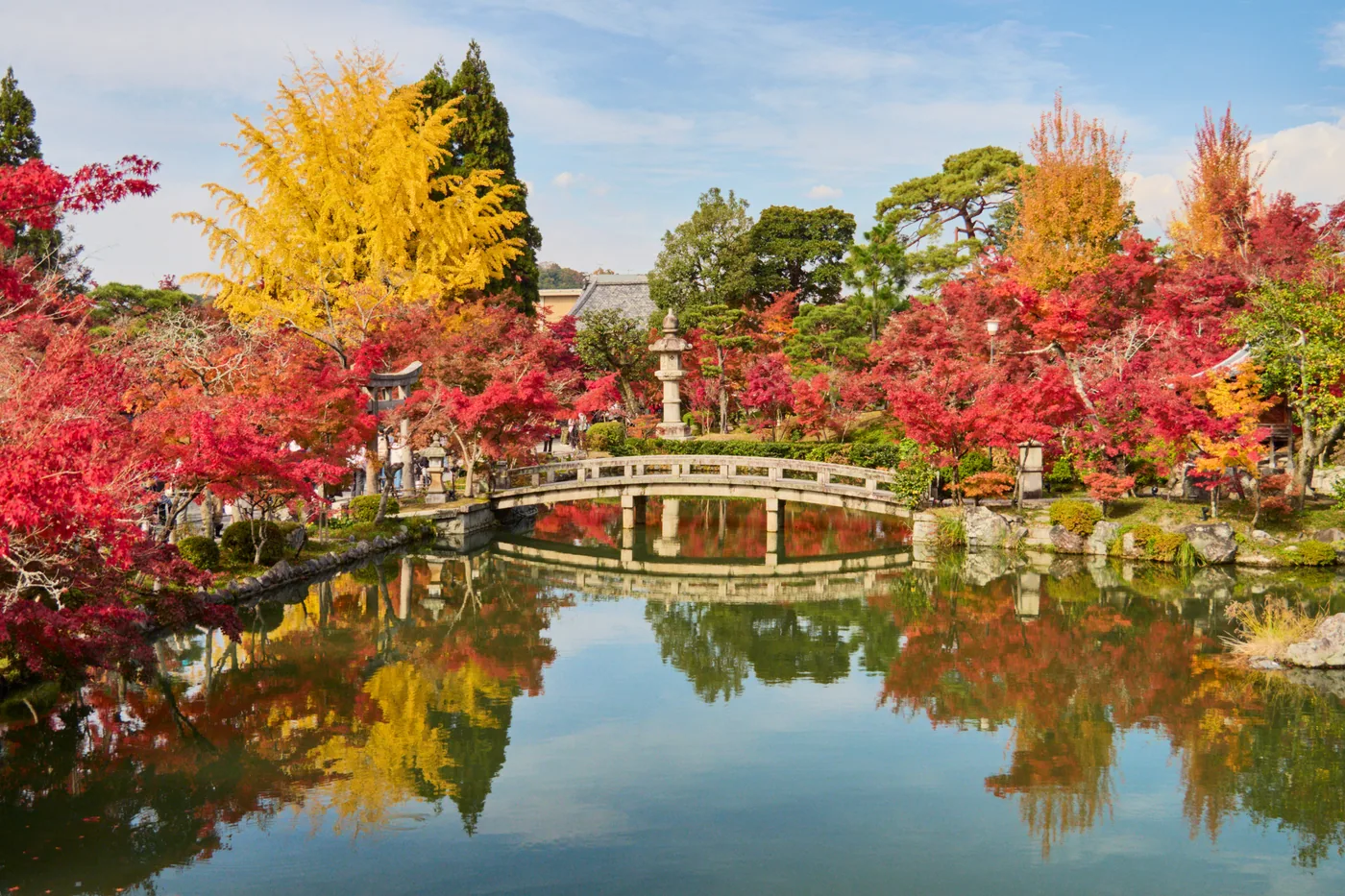

Autumn rivals spring as the most photogenic season in Japan, and many seasoned photographers privately prefer it. The koyo, or autumn foliage, runs from mid-November through early December in Kyoto, slightly earlier in northern regions like Nikko and Tohoku. Maple trees turn deep crimson, ginkgos blaze gold, and the lower humidity produces crystal-clear light that photographs more crisply than spring's softer haze.
Where Autumn Shines Brightest
Kyoto's Tofuku-ji, Eikan-do, and Arashiyama deliver the most dramatic koyo, while Tokyo's Rikugien and Showa Memorial Park are easier-access alternatives. Autumn shoots often allow for longer outdoor sessions thanks to cooler temperatures of 12 to 18 degrees Celsius, and the directional afternoon light produces beautifully sculpted portraits. Like sakura season, autumn carries peak-season pricing and books out twelve months ahead.
Winter: Snow, Solitude, and Quiet Drama
Winter, particularly January and February, is the secret season for kimono photography. Snow-dusted shrines in Kyoto, the silent gardens of Kanazawa's Kenrokuen, and the iconic snow-covered thatched roofs of Shirakawa-go offer scenes that feel almost mythical. A red iro-uchikake against fresh snow is one of the most striking visual contrasts in all of Japanese photography. Crowds are minimal, prices drop 10 to 20 percent below shoulder season, and studios have abundant availability.
Practical Realities of Winter Shoots
Winter requires careful preparation. Temperatures in Kyoto rarely exceed 8 degrees Celsius, and Kanazawa or Shirakawa-go often sit below freezing. Brides wear thermal underlayers beneath the kimono, and shoots are scheduled with frequent indoor warming breaks. Snowfall is unpredictable, so couples flexible enough to add a buffer day dramatically increase their chances of capturing snow imagery.
Shoulder Seasons: May and Late October
For couples seeking moderate weather and lower prices, May and late October are excellent compromises. May offers fresh green leaves, blooming azaleas, and dry sunny days averaging 22 degrees Celsius, all without the sakura crowds. Late October provides early autumn color in higher-elevation areas and comfortable temperatures around 18 degrees. Both shoulder months offer 15 to 20 percent savings over peak-season pricing and significantly easier booking.
Conclusion
There is no single best season for a kimono photoshoot in Japan, only the season that matches your vision. If you want the world to instantly recognize the romance of your photos, choose sakura. If you want crisp color and uncrowded gardens, choose koyo. If you crave drama and exclusivity, choose snow. And if you want lush greenery without the crowds, embrace the underrated beauty of late spring and early summer. Whatever you choose, book at least nine months in advance for peak periods and stay flexible with your travel dates to maximize weather luck.
Season-by-season locations and booking windows are collected in our seasonal guides. Planning around cherry blossom? Read the sakura booking guide.
Frequently Asked Questions
When exactly do cherry blossoms peak in Kyoto and Tokyo?
Peak bloom typically falls between March 28 and April 5 in both cities, though warm years can advance it to mid-March and cool years push it to April 10. The Japan Meteorological Corporation publishes precise annual forecasts starting in late January.
Is summer really too hot for a kimono photoshoot?
July and August are physically demanding due to heat above 35 degrees and high humidity, but sunrise sessions are very feasible. June offers cooler weather with some rain risk, making it a viable alternative for green-foliage shoots.
Which is more photogenic, spring sakura or autumn koyo?
Both are memorable but produce very different moods. Sakura offers soft, romantic pastels, while koyo delivers dramatic warm tones and crystal-clear light. Many seasoned photographers actually prefer koyo for its color saturation.
Can I guarantee snow for a winter kimono shoot?
No location guarantees snow, but Kanazawa, Shirakawa-go, and Tohoku regions average 50 to 80 snow days per winter, giving you strong odds. Building a buffer day or two into your itinerary substantially increases your chances.
Are off-season shoots significantly cheaper?
Yes. Winter and early summer rates typically run 15 to 25 percent below sakura and koyo peak pricing, and weekday bookings can save an additional 10 percent. Off-season also offers far better location availability and shorter wait times.
Related guides
 Season
Spring vs Autumn Kimono Photoshoot: Sakura or Momiji
Illustrative image · Unsplash. Not a photo of the specific people, places or services discussed.
Sakura versus momiji compared honestly: cost, crowds, light, booking lead time, and which couples pick which. Planner guidance for choosing your kimono shoot season.
Read the guideSeasonCherry Blossom Wedding Photoshoot in Japan: Booking Timeline & Tips
Illustrative image · Unsplash. Not a photo of the specific people, places or services discussed.
How to book a cherry blossom kimono photoshoot in Japan. Best timing, top locations, permits, and how far in advance to reserve your photographer.
Read the guide Season
Plum Blossom Kimono Photoshoot: February–March Timing in Japan
Illustrative image · Unsplash. Not a photo of the specific people, places or services discussed.
Plan a plum blossom kimono shoot in Japan: peak windows in Kyoto, Tokyo, Mito and Dazaifu, plus why it costs 15-25% less than cherry season.
Read the guide