Swiss Couple Kimono Photoshoot Japan: Zurich Direct & Trilingual
Swiss couple kimono photoshoot japan planning: 250-500 bookings yearly, Zurich-Tokyo direct, premium spend tier, trilingual studio coordination guide.

Illustrative image · Unsplash. Not a photo of the specific people, places or services discussed.
Check current prices, availability and venue rules with the relevant studio or venue before booking.
Swiss couples account for roughly 250-500 kimono photoshoot bookings per year in Japan, a smaller volume than the German or French markets but with the highest per-capita spend tier in Europe. The planning profile splits along the country's three linguistic regions — German Swiss (Zurich, Bern, Basel), French Swiss (Geneva, Lausanne), and Italian Swiss (Lugano) — each with distinct preferences. The Zurich-Tokyo direct on SWISS lands in 12 hours, visa-free entry covers 90 days, and detailed pre-shoot research is the planning norm. This guide covers the logistics, budget patterns, and trilingual studio coordination that Swiss couples need.
Why Swiss Couples Choose Japan
Switzerland's wedding photography market is sophisticated and well-served domestically — Alpine landscape work, lake-shore portraiture, and historic Swiss town settings are all available at premium standards. When Swiss couples travel to Japan for a kimono photoshoot, the motivation is usually a deliberate cultural departure rather than a search for production quality they cannot find at home.
The patterns we see from Swiss inquiries cluster around three motivations. First, couples with prior Japan travel — often a Tokyo-Kyoto trip pre-engagement — return for the wedding portrait specifically because the aesthetic resonated. Second, couples planning a long honeymoon (Switzerland's average leave allowance supports 3-4 week trips) build Japan in as the cultural anchor of a multi-country Asia route. Third, couples in design, watchmaking, architecture, or culinary fields whose professional aesthetic aligns with Japanese craft traditions.
Wedding Planner's Notes: Swiss inquiries tend to arrive with a clear sense of what they do not want — they have usually ruled out "tourist costume photo" services before reaching a curated directory. The conversation starts at "which photographer matches our visual reference set," not "is this possible." Studios that show portfolio depth in editorial styling rather than pose catalogs convert these inquiries well.
Direct Flight (Zurich ZRH → Tokyo Narita 12hr)
SWISS operates the direct Zurich-Tokyo Narita route year-round, typically with a daily departure pattern. Flight time is approximately 12 hours westbound to Tokyo and 11 hours eastbound returning. The route runs via Boeing 777 long-haul configuration with full business and first cabin availability — relevant for couples flying premium, which is common in this segment.
Codeshare partnerships extend the booking options. SWISS shares the Tokyo route with ANA (Star Alliance partner) and connects via codeshare to JAL on certain itineraries. For Geneva-based couples, the typical routing adds a Zurich domestic transfer (45 minutes) before the long-haul leg. Italian Swiss couples in Ticino sometimes find better fares via Milan Malpensa MXP on ITA Airways or other carriers with Tokyo direct.
Route | Time | Frequency |
|---|---|---|
Zurich (ZRH) → Tokyo Narita (NRT) — SWISS direct | ~12 hours | Daily |
Tokyo Narita (NRT) → Zurich (ZRH) — SWISS direct | ~11 hours | Daily |
Geneva (GVA) → Zurich → Tokyo — connection | ~13.5 hours total | Daily |
For shoot scheduling, the recommended buffer is 2 full days after arrival before the photography date. The 8-hour time difference (Japan ahead of Switzerland CET) creates moderate jet lag eastbound, and most Swiss couples we work with arrive Friday-Saturday for a Tuesday-Wednesday shoot.
Visa-Free 90 Days
Switzerland holds the standard short-stay visa exemption agreement with Japan. Swiss passport holders can enter Japan for up to 90 days for tourism, business, or family visit purposes without advance visa application. The 90-day allowance is per-entry, not annual, and extends naturally to cover wedding photoshoot trips combined with longer honeymoon legs.
Liechtenstein passport holders share the same 90-day visa-free entitlement. For couples in mixed-nationality marriages — Swiss + non-EU partner — the non-Swiss partner should verify their own visa status separately, as the exemption does not transfer to the spouse's passport.
Customs allowance is the standard Japan inbound: 3 bottles of alcohol (760ml each), 200 cigarettes, and personal effects within reasonable use. Swiss watches above CHF 300,000 declared value should be noted on customs paperwork for re-export documentation, particularly relevant given the demographic profile.
Trilingual Profile (German/French/Italian Swiss)
Switzerland's four official languages (German, French, Italian, Romansh) produce distinct planning preferences across regions. Roughly 63% of Swiss residents speak German as primary, 23% French, 8% Italian, and the remainder Romansh or other. For Japan wedding planning, the practical breakdown maps to studio communication preferences.
German Swiss couples (Zurich, Bern, Basel, Lucerne) generally accept English-language communication without friction. The Swiss German education system produces strong English proficiency, and most inquiries default to English from first contact. Detailed written contracts in English are standard expectation.
French Swiss couples (Geneva, Lausanne, Neuchâtel) sometimes prefer French-language communication for the contract phase even when English is workable for general planning. Geneva's UN-international population skews this group toward multilingual comfort, but written formal documentation in French is requested in roughly 30-40% of bookings from this region.
Italian Swiss couples (Ticino: Lugano, Bellinzona, Locarno) overlap heavily with Italian booking patterns — see related guidance for Italian couples. Communication preference often shifts to Italian for warmth, with English fallback. This group is the smallest by volume, roughly 8-10% of Swiss bookings.
Wedding Planner's Notes: The aesthetic preferences also map loosely to region. German Swiss inquiries lean toward editorial minimalism — clean compositions, restrained color, no over-styling. French Swiss inquiries skew slightly more toward editorial fashion influence. Italian Swiss inquiries warm toward narrative-rich compositions with environmental detail. None of these are absolute, but it shapes which photographer portfolios resonate.
Premium Spend Tier (Europe's Highest Per-Capita)
Swiss household wedding spend benchmarks are the highest in Europe per capita, reflecting both income levels and cultural acceptance of significant wedding investment. For Japan kimono photoshoot bookings specifically, the typical Swiss budget profile sits in the upper tier of international inquiries.
Service Tier | Typical Swiss Budget Range (CHF / approx JPY) |
|---|---|
Standard package (3-4 hours, 1 location) | CHF 2,500-4,000 / ¥420,000-680,000 |
Premium package (full day, 2 locations, hair & makeup) | CHF 4,500-7,500 / ¥760,000-1,270,000 |
Luxury custom (multi-day, multi-prefecture) | CHF 8,000-15,000+ / ¥1,360,000-2,540,000+ |
Swiss couples in the upper bracket commonly add video coverage, two photographers (lead + second), and multi-location itineraries. Album binding selections lean toward Japanese craft producers — handmade washi paper covers, kintsugi-influenced design treatments — rather than generic European wedding album formats.
Watch industry, finance, and pharma sector couples (well-represented in Swiss demographics) often request discretion clauses in contracts and gallery permissions controlling social media use of images. Studios accustomed to high-net-worth international clientele handle these requests routinely; budget studios may not have standard templates for it.
Detailed Pre-Shoot Research Patterns
Swiss couples plan with documentation rigor. The typical inquiry timeline starts 9-14 months before the intended shoot date, longer than the European average. First contact frequently arrives as a structured email listing portfolio links the couple has reviewed, location preferences with reasoning, and 5-8 specific questions covering permits, weather contingency, kimono selection, and contract terms.
Pre-shoot calls run 60-90 minutes commonly, longer than the 30-45 minute industry standard. Couples arrive at the call with notes, follow up with written summaries, and request signed confirmations of verbal commitments. This is not pickiness — it is the planning style.
Studios accustomed to Swiss inquiries report that conversion is high once trust is established but the trust-building phase takes 3-5 substantive exchanges. Cutting the process short with rushed responses or vague answers loses these bookings reliably.
Wedding Planner's Notes: Provide written documentation proactively. A clear contract draft, a permit application timeline, a weather contingency clause, and a deliverable specification (photo count, edit style, album options, turnaround weeks) shared in the second or third exchange shortens the decision cycle substantially. Swiss couples decide quickly once they have the documents to evaluate.
Top Locations Among Swiss Couples
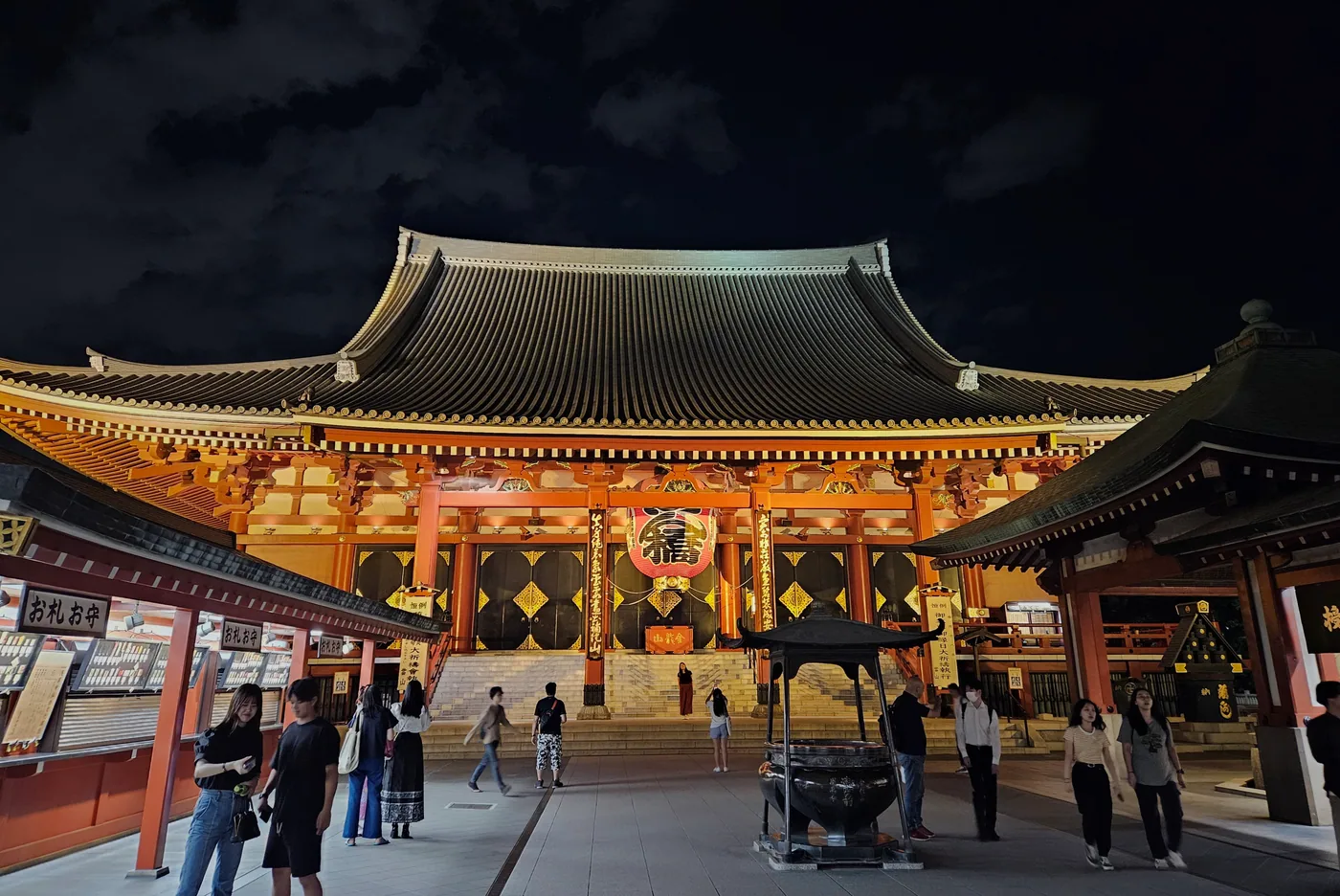

Kyoto Cultural Anchor
Kyoto is the dominant first choice. Roughly 55-65% of Swiss kimono photoshoot bookings center on Kyoto, with Higashiyama, Arashiyama, and the Philosopher's Path as the most-requested settings. Swiss aesthetic preferences align well with restrained Kyoto compositions — temple gardens, machiya townhouse interiors, bamboo grove backlight. See our Kyoto photographer guide for shrine and temple options and our Kyoto vs Tokyo comparison for cross-city decision support.
Tokyo Modern + Traditional
Tokyo serves as either a secondary location combined with Kyoto or, for couples with limited time, a standalone choice. Meiji Jingu shrine grounds, Asakusa Senso-ji, and Hamarikyu Gardens are the typical traditional settings. Couples with architectural interest add a modern Tokyo segment — Roppongi, Omotesando, or Tokyo Station Marunouchi facade compositions. Our Tokyo photographer directory details shrine permit logistics.
Hokkaido Nature
Hokkaido attracts a smaller but distinct segment of Swiss couples — winter snow weddings in Niseko or Furano, and summer flower field shoots in Biei. The visual parallel to Swiss Alpine landscape resonates, though the kimono pairing creates the cultural distinction couples are seeking. Our winter kimono photography guide covers cold-weather logistics relevant to this option.
Singapore/Hong Kong Pairing Patterns
Roughly 25-35% of Swiss kimono photoshoot trips combine Japan with a Singapore or Hong Kong stop. The routing logic is partly geographic (SWISS and partner carriers operate strong networks across the Asian financial centers) and partly preference (Swiss business and finance sector couples often have professional connections in both cities).
Typical itineraries: 4-5 nights Tokyo, 4-5 nights Kyoto, 3-4 nights Singapore or Hong Kong, total 12-15 days. The Asian financial center stop is usually post-shoot, allowing the couple to decompress after the demanding photography day. Some couples reverse the order, using Singapore as a tropical buffer arrival before Japan's cultural intensity.
For couples building this route, return to Zurich often connects via Singapore Changi or Hong Kong on Singapore Airlines or Cathay Pacific rather than backtracking to Tokyo. SWISS partner availability through Star Alliance (Singapore Airlines, ANA) makes the multi-city ticket structure manageable.
CHF-JPY Exchange Considerations
The CHF-JPY rate has trended favorably for Swiss couples through recent years, with Swiss franc strength against the yen translating to meaningful effective discounts on Japan-based services. A photography package priced at ¥800,000 has cost CHF 4,800-5,200 in recent quarters compared to CHF 6,000+ in earlier exchange windows.
For booking and deposit handling, most studios invoice in JPY and accept international bank transfer or credit card payment. Swiss credit cards generally process JPY transactions without friction, though the merchant FX rate adds 2-3% over interbank. For larger packages, direct JPY bank transfer via the couple's Swiss bank often produces better rates than card payment — verify with the studio whether they accept TransferWise/Wise, Revolut, or traditional SWIFT transfer.
Deposit structure typically follows 30-50% at booking confirmation, balance due 30-60 days before the shoot. For high-value packages, some couples request milestone-staged payments (booking, 6 months out, 30 days out, balance after delivery), which most premium studios accommodate.
German/French/Italian Studio Coordination
No Japan-based kimono photoshoot studio currently operates with German, French, or Italian native-speaker staff as standard. English is the default communication language for international inquiries, and Swiss couples accept this without issue in the German Swiss and French Swiss segments — language is rarely the deciding factor.
Where language matters more is contract documentation. French Swiss couples occasionally request contract translation into French for signing copy purposes, particularly when one partner is a non-Swiss French speaker without strong English. Studios that provide a translation service (third-party legal translation, typically ¥30,000-¥60,000 per document) handle this cleanly. Italian Swiss couples may have similar preferences, though volume is low.
For couples preferring to coordinate through a Swiss-based travel agent or wedding planner specializing in Japan, several boutique agencies in Zurich and Geneva serve this market. The agency adds 10-15% to the total cost but handles communication, currency, and logistics in the couple's preferred language. For couples whose primary friction is communication time investment rather than cost, this routing is worth evaluating.
Frequently Asked Questions
Can our Swiss watch collection be insured for the Japan trip?
Yes, Swiss household and personal items insurance policies typically extend to international travel — verify the geographic coverage and per-item limits with your insurer before departure. Items above CHF 50,000 declared value often require specific scheduling on the policy. For wedding-day wear, some couples leave the most valuable pieces at home and travel with a secondary watch.
Do studios accept payment in CHF instead of JPY?
Most studios invoice in JPY but accept international payment via bank transfer or credit card. A small number of high-end studios serving international clientele will accept invoice in EUR; CHF invoicing is rare. The simplest approach is JPY invoicing with the couple's Swiss bank handling the CHF→JPY conversion at the bank's rate.
How does Swiss wedding day customary timing compare to Japanese shoot schedules?
Swiss civil ceremonies are typically morning, with church ceremony and reception spread across the afternoon and evening. Japanese kimono photoshoots run 4-8 hours starting early morning (6:30-7:30am for low-light arrival at first location). Couples accustomed to relaxed Swiss timing should brief honestly that Japanese shoot days are physically demanding.
Is the Aletsch Glacier comparable to any Japan winter location?
No direct equivalent, but Hokkaido's Daisetsuzan range, Niseko backcountry, and parts of the Tohoku Sea of Japan coastline offer comparable winter landscape scale at smaller elevation. Swiss couples seeking Alpine-scale composition typically prefer Hokkaido over Honshu winter locations for this reason.
Can we incorporate Swiss elements into the shoot styling?
Subtle integration is possible — a discreet edelweiss pin, a single Swiss-made detail (cufflink, watch, pen as prop), or a brief environmental nod (a coffee from a Swiss-roaster Tokyo cafe in a candid frame). Heavy thematic mixing (Swiss flag styling with kimono) reads poorly in final imagery. Discuss subtle integration ideas with your photographer during the planning calls.
Are there flight options for Italian Swiss couples avoiding Zurich transfer?
Yes — Lugano Agno airport connects domestically to Zurich (50 minutes), but Milan Malpensa MXP is geographically closer (90 minutes by road) and offers direct Tokyo flights on ITA Airways and ANA. For Ticino-based couples, Milan departure often saves total travel time over the Lugano-Zurich-Tokyo routing.
How far in advance should Swiss couples book for autumn 2027?
Begin contact with photographers 14-18 months before the intended autumn 2027 date. Premium studios fill autumn calendars 12+ months in advance. Swiss couples' detailed research style means the planning conversation itself takes 3-5 substantive exchanges before booking confirmation, so starting 14-18 months out leaves comfortable margin.
Find a Multilingual European Studio
The Wasou Wedding Japan photographer directory includes studios with documented experience handling Swiss inquiries, English-language contracts, and discretion clauses for high-net-worth couples. Filter by location preference and review portfolio depth before initiating contact.
For couples comparing the European inquiry profile, our Norwegian couple guide covers Nordic minimalism alignment, and the Polish couple guide details the mid-tier Eastern European booking profile.
Related guides
 General guide
Kimono Wedding Photos for Foreigners: How It Works in Japan
Illustrative image · Unsplash. Not a photo of the specific people, places or services discussed.
Yes, foreign couples can have kimono wedding photos taken in Japan — no residency, ceremony or Japanese required. How booking, fittings, pricing and permits actually work.
Read the guideGeneral guideHow to Book a Kimono Photographer in Japan from Abroad: Step-by-Step
Illustrative image · Unsplash. Not a photo of the specific people, places or services discussed.
A complete step-by-step guide for foreign couples booking a kimono pre-wedding photographer in Japan from overseas. Contracts, payments, communication.
Read the guide General guide
Multilingual Wedding Photography Japan: Beyond English
Illustrative image · Unsplash. Not a photo of the specific people, places or services discussed.
A planner's audit of which languages — Korean, Mandarin, Spanish, French, JSL — Japanese kimono studios actually support, plus interpreter costs and when to hire one.
Read the guide